
Description
Glehn's honeysuckle (Lonicera glehnii) is a deciduous shrub belonging to the Caprifoliaceae family. It is a hardy, multi-stemmed plant that typically reaches heights of 1.5 to 3 meters. In agricultural and horticultural contexts, it is recognized for its structural versatility and its ability to thrive in challenging climates that would otherwise limit the growth of more sensitive ornamental species.
The native range of this species extends across the Russian Far East, particularly Sakhalin, and northern regions of Japan. It is well-adapted to cool, temperate environments and is typically found in mixed forests, mountain slopes, and riparian zones. This native habitat background indicates that the plant prefers stable moisture levels and protection from extreme, scorching heat.
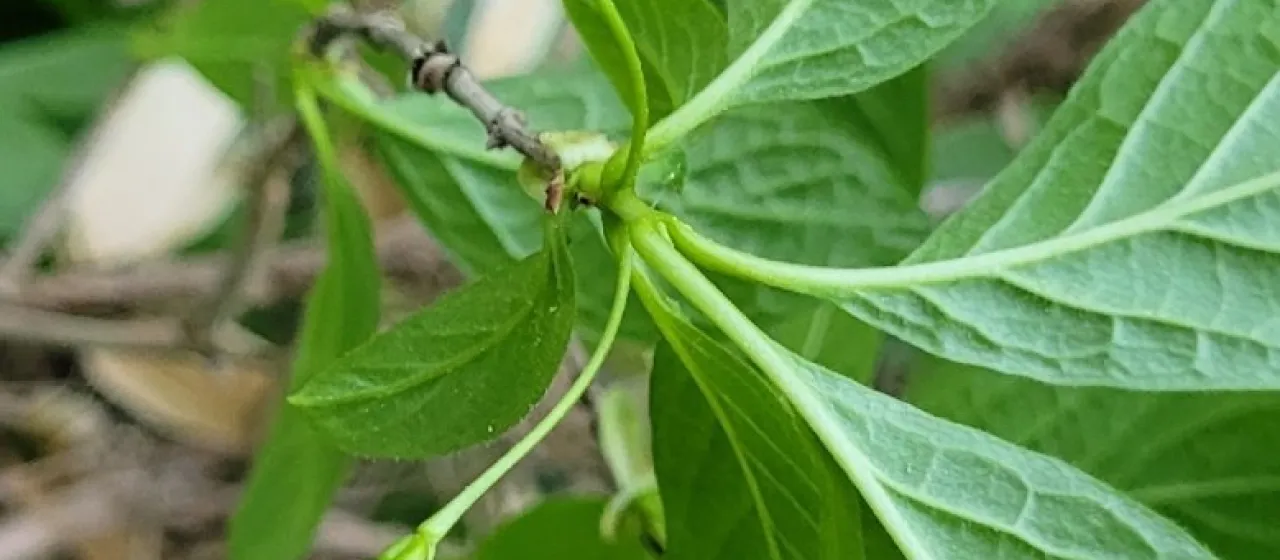
Botanically, Lonicera glehnii is characterized by its upright branching habit and bark that exfoliates in thin strips. The leaves are opposite, elliptic, and possess a subtle pubescence. The flowers, appearing in late spring, are distinctively tubular and cream-to-yellow in color, emitting a faint fragrance that is effective at attracting local pollinators. The plant's overall growth habit is vigorous and bushy, making it a reliable choice for structural planting.
Cultivation of this species requires well-drained, fertile soil with a slightly acidic to neutral pH. While it is hardy, it requires consistent moisture throughout the growing season to reach its full size and bloom potential. Pruning should be focused on removing dead or crossing branches in early spring to encourage healthy air circulation and reduce the risk of common fungal diseases that can affect honeysuckle species in humid conditions.
- Excellent cold tolerance and winter hardiness.
- Requirement for full sun to partial shade exposure.
- Susceptibility to aphids during the early leaf-flush phase.
- Preference for organic mulching to maintain soil moisture levels.
The primary horticultural use of Glehn's honeysuckle is in decorative landscaping, where it is often utilized for hedging and border planting. Its dense foliage provides excellent screening, and its seasonal blooming adds aesthetic value to gardens. Furthermore, because of its unique genetic profile and resilience, it is often studied in botanical circles for its potential in breeding programs to improve disease resistance in related commercial honeysuckle species.