
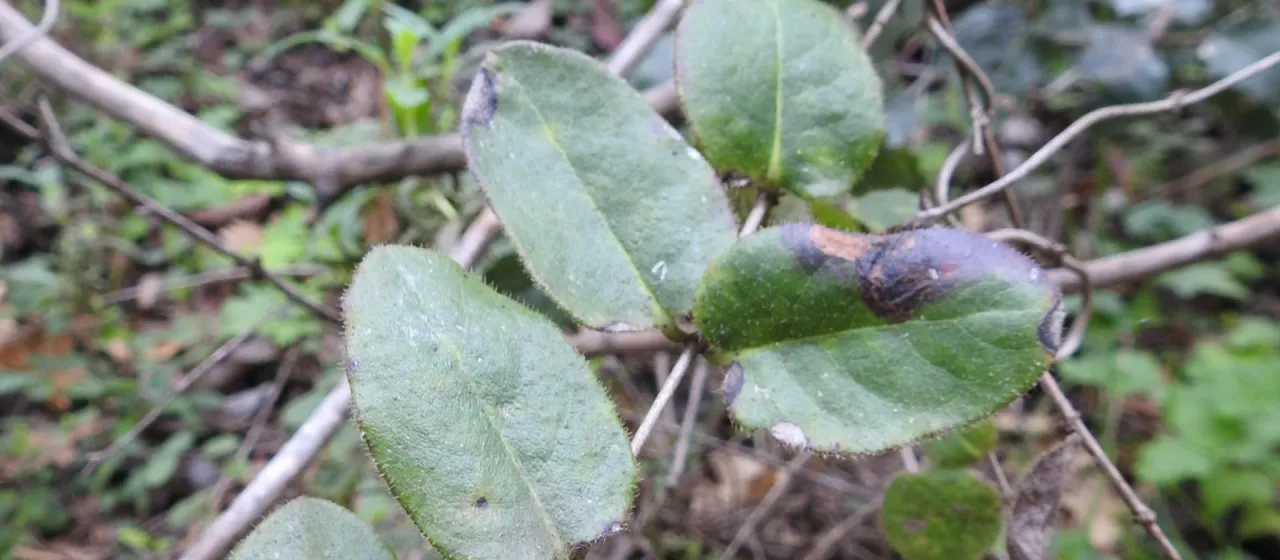
Description
Hairy honeysuckle (Lonicera hispidula) is a perennial shrub species belonging to the Caprifoliaceae family. Known for its climbing or trailing habit, this plant is valued for its rapid growth and ability to form dense, lush foliage, making it a staple in various botanical and decorative landscaping projects across its native range.
The plant is native to the western regions of North America, stretching from British Columbia down through California. It thrives in diverse habitats, including open forests, mountain slopes, and coastal areas. Its natural resilience allows it to adapt to various environmental stressors, provided it has access to adequate soil moisture and moderate sunlight.
Botanically, the species is defined by its glandular hairs on the stems and leaves, which give it a distinct texture. The leaves are typically opposite and sometimes fused at the base. It produces elongated, tubular flowers that are highly attractive to pollinators, followed by clusters of small, non-edible berries that serve as a crucial food source for native bird populations.
In terms of cultivation, Lonicera hispidula requires well-draining soil and benefits from organic matter enrichment. While it is relatively low-maintenance, agricultural management involves regular pruning to prevent the plant from becoming invasive in smaller garden spaces and to maintain a tidy, ornamental shape. Irrigation is necessary during the establishment phase, especially in regions with dry summers.
- Adaptable to partial shade or full sun conditions.
- Excellent for erosion control on slopes.
- Requires sturdy trellises if grown as a climber.
- Resistant to most common honeysuckle diseases.
The primary horticultural use of the hairy honeysuckle is in restoration ecology and ornamental gardening. It is frequently employed to stabilize embankments and provide thick cover for wildlife. Beyond its decorative appeal, the plant is an essential component of local ecosystems, acting as a habitat for beneficial insects and small fauna, which underscores its importance beyond mere aesthetic landscaping.