
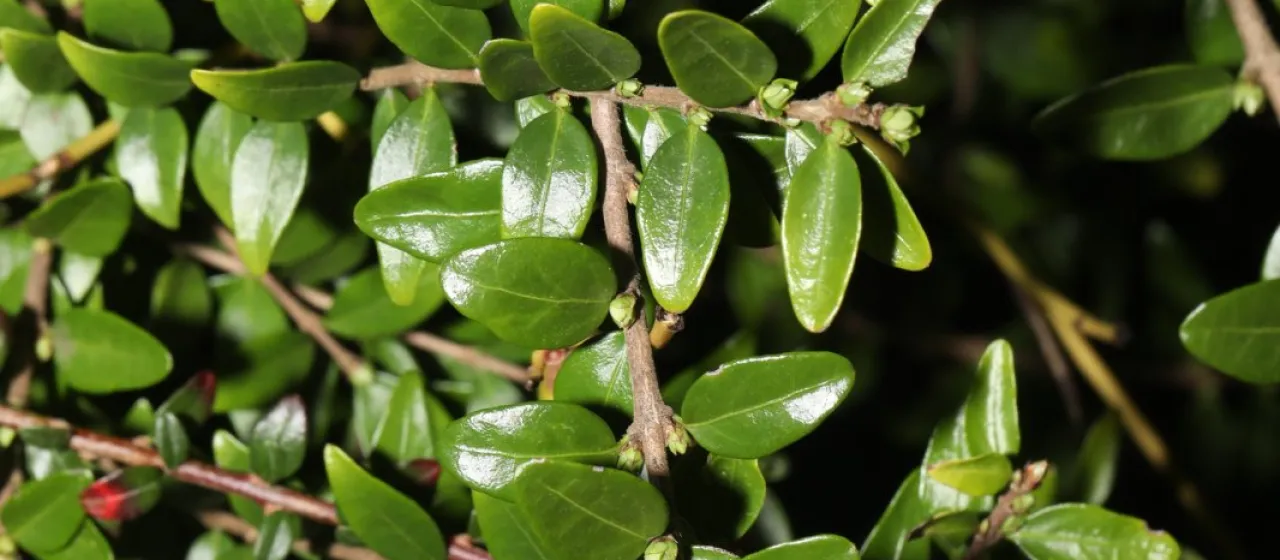
Description
Box-leaved honeysuckle (Lonicera ligustrina) is an evergreen or semi-evergreen shrub belonging to the Caprifoliaceae family. Known for its small, dense foliage and compact growth habit, it is widely favored by horticulturists as a superior alternative to boxwood (Buxus), particularly in regions where box blight is a significant concern.
Native to East Asia, specifically regions within China and the Himalayas, the plant has adapted well to various temperate climates globally. It is extensively cultivated for its adaptability to different garden settings, ranging from formal topiary displays to informal border plantings in urban and suburban landscapes.
From a botanical perspective, the plant features small, ovate, glossy leaves that develop a deep green color. The branches are flexible and quick to ramify, which allows the shrub to withstand intensive pruning. While it produces inconspicuous white flowers, its primary horticultural value lies in its vegetative structure and density.
Regarding soil and climate, the plant thrives in well-drained, fertile soils with a neutral to slightly acidic pH. It prefers sunny to partially shaded locations. Proper maintenance involves regular watering during dry spells and consistent trimming during the growing season to maintain the desired shape and ensure light penetration into the inner canopy.
The main commercial and hobbyist use of this plant is for hedging, knot gardens, and container gardening. It is generally robust, but gardeners should monitor for pests such as aphids or spider mites. Proper airflow, facilitated by regular thinning of the inner branches, is the best preventative measure against fungal diseases like powdery mildew.