
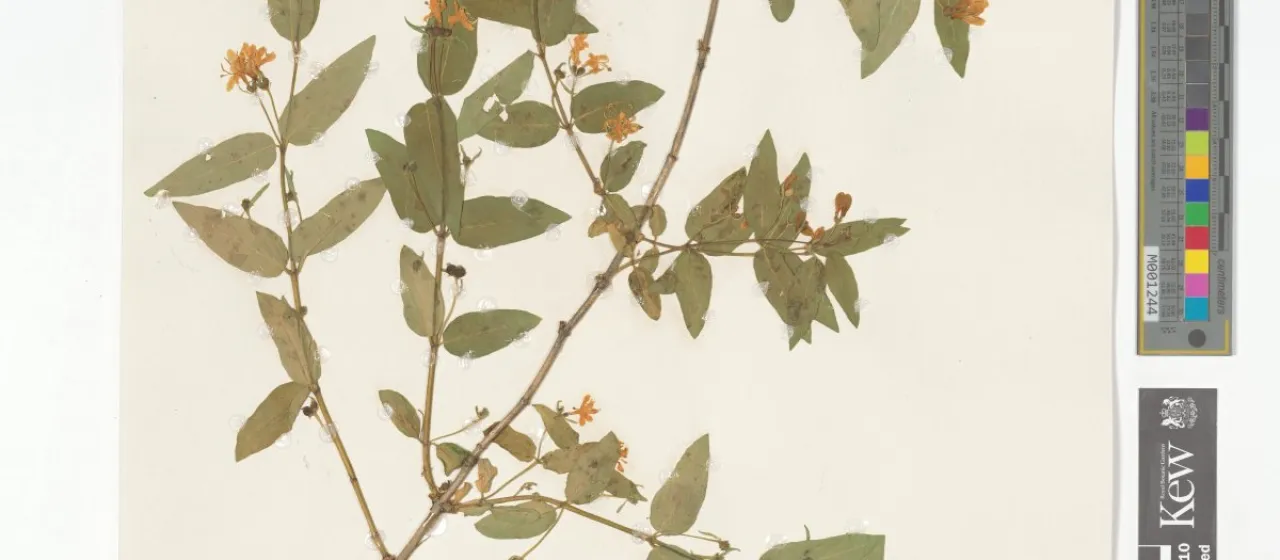
Description
Small-flowered honeysuckle (Lonicera minutiflora) is a perennial shrub species belonging to the Caprifoliaceae family. Native to various temperate regions, this plant is recognized for its fine texture and biological resilience, making it a valuable subject for both ornamental horticulture and botanical study.
The botanical traits of this species include opposite leaf arrangements and distinctive small inflorescences that differentiate it from larger-flowered honeysuckle varieties. The plant typically exhibits a compact growth habit, which allows it to thrive in restricted environments while providing structural density to garden settings.
Regarding cultivation, the species requires well-draining, loamy soil with a neutral to slightly acidic pH. While it is adaptable to different environmental conditions, it performs best in locations with partial to full sunlight. Consistent irrigation is essential during the establishment phase, although mature plants demonstrate moderate drought tolerance once fully rooted.
Agronomic management involves periodic pruning to maintain plant shape and encourage vigorous blooming. Growers must remain vigilant against common pests such as aphids and spider mites, which can proliferate in hot, dry conditions. Integrated pest management, including the use of horticultural oils and natural predators, is recommended to minimize chemical input.
The primary economic and landscape use of Lonicera minutiflora lies in its utility as an ornamental shrub for residential and public green spaces. Beyond its aesthetic appeal, it serves as a robust component in habitat restoration projects and is frequently researched for its potential as a hardy, low-maintenance screen plant in varied agricultural climates.