
Description
Morrow's honeysuckle (Lonicera morrowii) is a deciduous shrub belonging to the Caprifoliaceae family. It is widely recognized in agriculture and landscaping for its durability, dense growth habit, and ability to thrive in various environmental conditions.
Native to Japan, this species has been introduced to many temperate regions globally. Its primary agricultural and ecological function involves soil stabilization on slopes and serving as a reliable nectar source for bees during the spring flowering season.
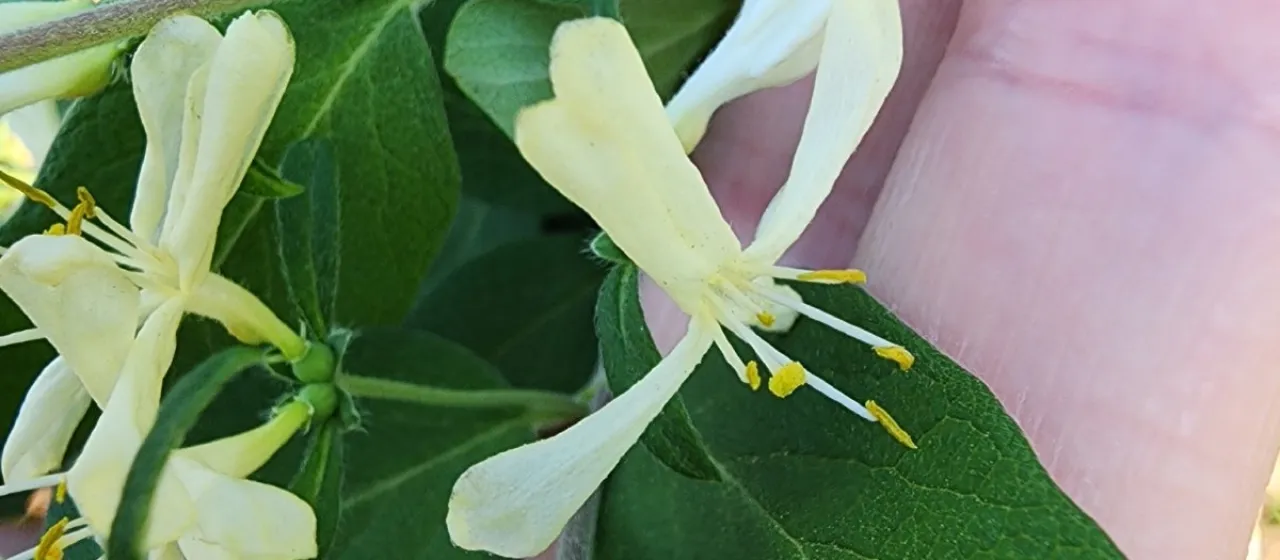
Botanically, it is a spreading shrub that typically reaches heights of 2 to 2.5 meters. The leaves are ovate-oblong with distinctive soft hairs on the underside. Its flowers emerge in late spring, transitioning from white to a creamy yellow color, followed by dark red berries that serve as a food source for birds.
Successful cultivation of this crop requires well-drained soil and a location with full sun to partial shade. Lonicera morrowii is noted for its high cold hardiness, making it suitable for northern regions where more delicate ornamental plants might fail to survive the winter.
Standard agronomic practices include formative pruning to maintain the desired shape and size of the shrub. Growers should be vigilant regarding common pests such as aphids and leaf miners, as well as fungal diseases like powdery mildew, ensuring they are managed through integrated pest control strategies.
- High cold tolerance
- Excellent nectar production
- Adaptability to diverse soil types
- Effective for hedge and barrier planting