
Description
Black honeysuckle (Lonicera nigra) is a perennial deciduous shrub belonging to the Caprifoliaceae family. Unlike its edible relatives, this species is primarily valued for its ornamental characteristics and its role in ecosystem maintenance. It grows as a dense, branching shrub that can thrive in various ecological niches.
The plant originates from the mountainous regions of Central and Southern Europe. Its natural habitat is characterized by cool temperatures, high humidity, and forested slopes. Because of this, it shows significant adaptability to cool climates and environments where full sunlight is limited, making it an excellent candidate for shaded or semi-shaded garden areas.
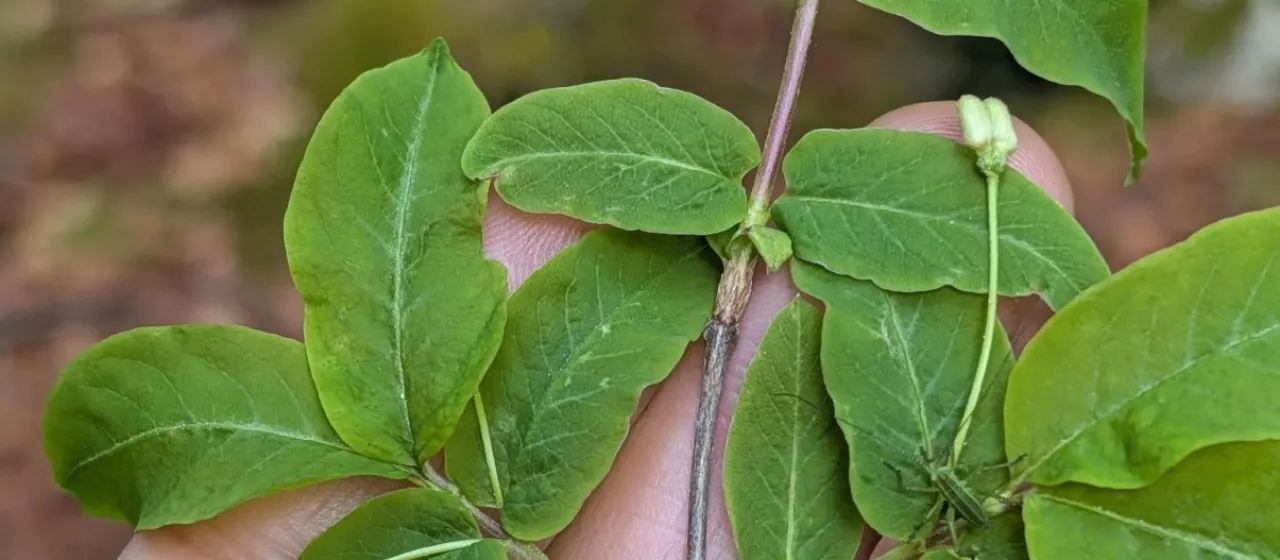
Botanically, Lonicera nigra features ovate leaves and small flowers that develop into dark, black berries. These fruits are often clustered and are considered inedible for humans. The shrub's root system is well-developed, contributing to its ability to stabilize soil in rugged terrains, which is a key trait for certain environmental management applications.
Cultivation requirements involve providing well-drained, nutrient-rich soil with a neutral to slightly acidic pH. The plant is cold-hardy, but to maintain vigor, it requires consistent moisture and protection from extreme summer heat. Maintenance typically includes pruning to remove deadwood and promote airflow within the canopy, which helps in preventing fungal infections.
In terms of practical use, black honeysuckle is widely utilized in landscape architecture, particularly for woodland gardens and erosion control on embankments. It is not cultivated for fruit production. Instead, it serves as a robust ornamental shrub that provides structural variety in plantings and supports local biodiversity by attracting pollinators and birds that consume the berries.
- High shade tolerance
- Suitable for erosion control
- Cold-hardy characteristics
- Non-edible fruit