
Description
Money-leaf honeysuckle (Lonicera nummulariifolia) is a perennial deciduous shrub belonging to the Caprifoliaceae family. The plant derives its name from its distinctive, small, round leaves that resemble coins. This unique foliage texture, combined with its compact growth habit, makes it a noteworthy subject for botanical collections and specialized landscaping projects.
Originating from the mountainous regions of Central Asia, this species has adapted to survive in harsh, rocky environments. Its natural habitat is characterized by poor soil quality and wide temperature fluctuations, which has resulted in the plant's remarkable resilience and high tolerance to environmental stress, particularly drought and extreme cold.
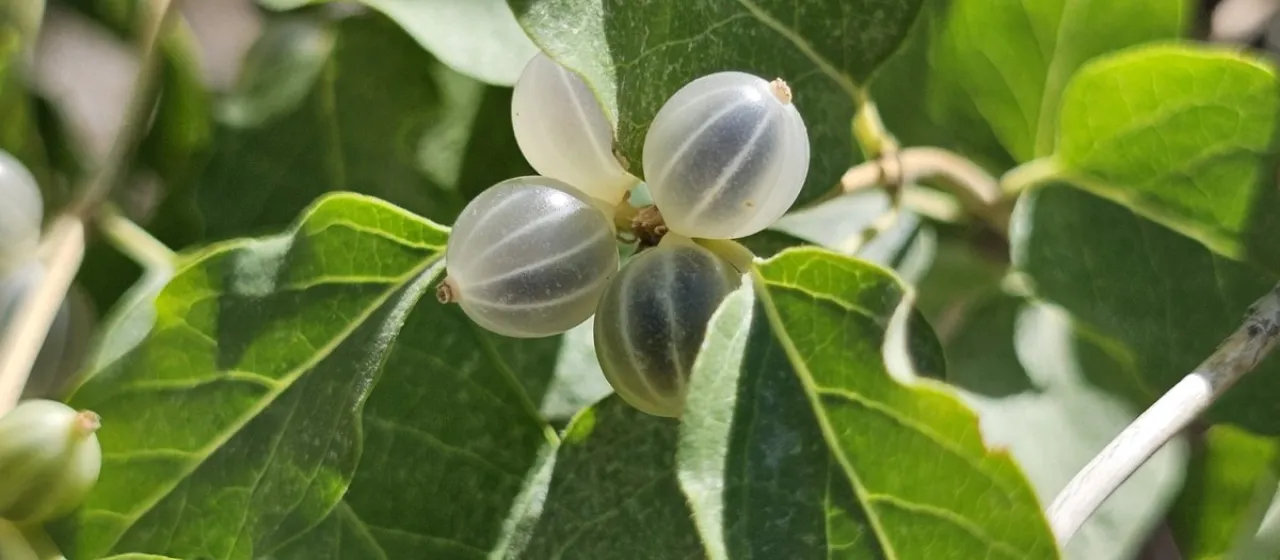
Botanically, Lonicera nummulariifolia is defined by its densely branched structure and silvery-grey stems. The foliage is typically glaucous, helping to mitigate transpiration losses in arid conditions. The plant produces small, fragrant flowers, followed by inedible berries that persist into the autumn months, providing aesthetic value throughout the extended growing season.
In terms of agricultural requirements, this shrub demands full sun exposure and excellent soil drainage. It thrives in rocky or sandy-loam soils and is highly sensitive to waterlogged conditions, which can lead to root rot. Standard maintenance involves periodic pruning to manage size and density, ensuring that air circulation remains sufficient to prevent the development of common fungal diseases.
The primary economic and practical use of this species lies in its role as a hardy landscape ornamental and a soil stabilizer. Because of its root structure, it is particularly effective for slope stabilization and erosion control in arid climate zones. While generally pest-resistant, growers should monitor for specific issues, including:
- aphid infestations in early spring
- powdery mildew during periods of high humidity
- leaf spot caused by poor ventilation