
Description
Swamp fly honeysuckle (lat. Lonicera oblongifolia) is a deciduous shrub belonging to the Caprifoliaceae family. This species is specifically adapted to wet, boggy environments, which makes it a unique candidate for specific ecological restoration or moist garden niches where most garden shrubs would struggle to survive.
The plant is native to North America, with its natural range extending across parts of Canada and the northern United States. Its evolutionary history in wetland habitats has allowed it to develop a high tolerance for waterlogged soils, which is a key trait that differentiates it from many other commonly grown honeysuckle species in garden centers.
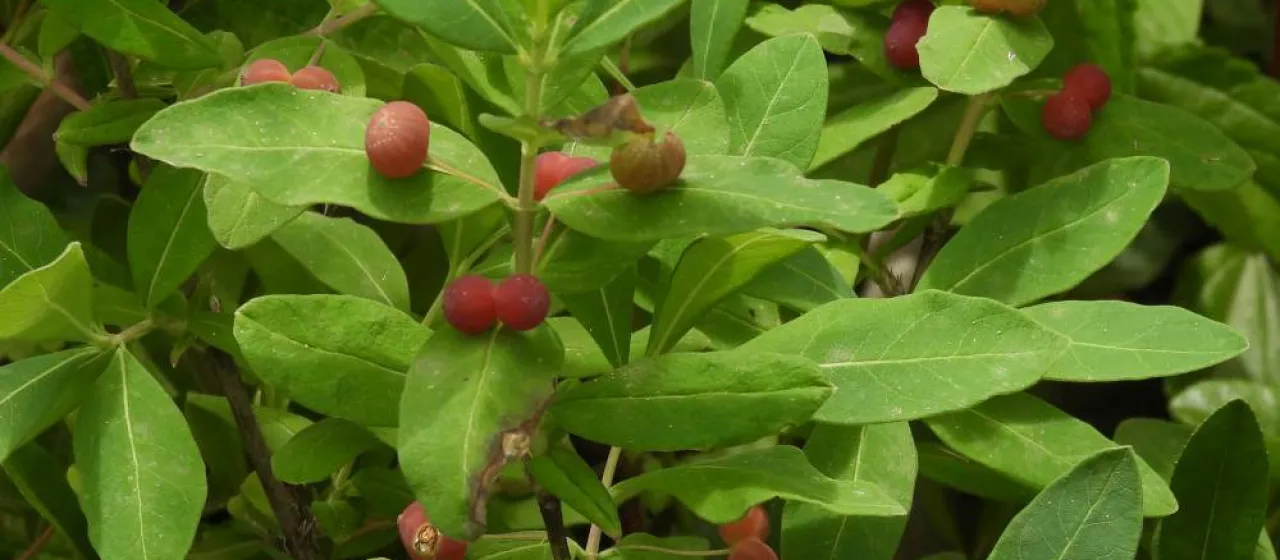
Botanically, it is characterized by its upright growth habit, opposite leaves with an oblong shape, and distinctive flowers that grow in pairs. The plant typically reaches heights of 3 to 5 feet. While it produces small berries, they are generally considered inedible and are often bitter, focusing the plant's value primarily on its ecological function and ornamental foliage.
The cultivation requirements for Lonicera oblongifolia are centered around mimicry of its natural habitat. Key agronomic points include:
- Maintaining consistently high soil moisture levels;
- Planting in acidic, organic-rich, and peat-based soils;
- Providing partial shade to full sun depending on the local climate intensity;
- Avoiding root zone desiccation during the peak summer months.
From a хозяйственное usage perspective, this shrub is mainly utilized in native landscaping and riparian buffer zone plantings. Regarding health, the plant may suffer from leaf spot or powdery mildew if air circulation is poor or if the site is too stagnant. Routine inspection for aphids and other sap-sucking insects is advised during the spring flush of new foliage to ensure the shrub remains vigorous.