
Description
Lonicera quinquelocularis is a deciduous shrub belonging to the Caprifoliaceae family. Known for its robust growth and distinct botanical features, this species is a representative of the diverse honeysuckle genus, often appreciated by botanists and specialized gardeners for its unique morphological characteristics.
The origin of this plant is primarily traced to the mountainous regions of Central Asia, including parts of the Himalayas, Afghanistan, and Pakistan. It thrives in high-altitude environments where it has adapted to varying moisture levels and rocky soil types. This natural habitat defines its high resilience and adaptability to different environmental stressors when introduced to cultivation.
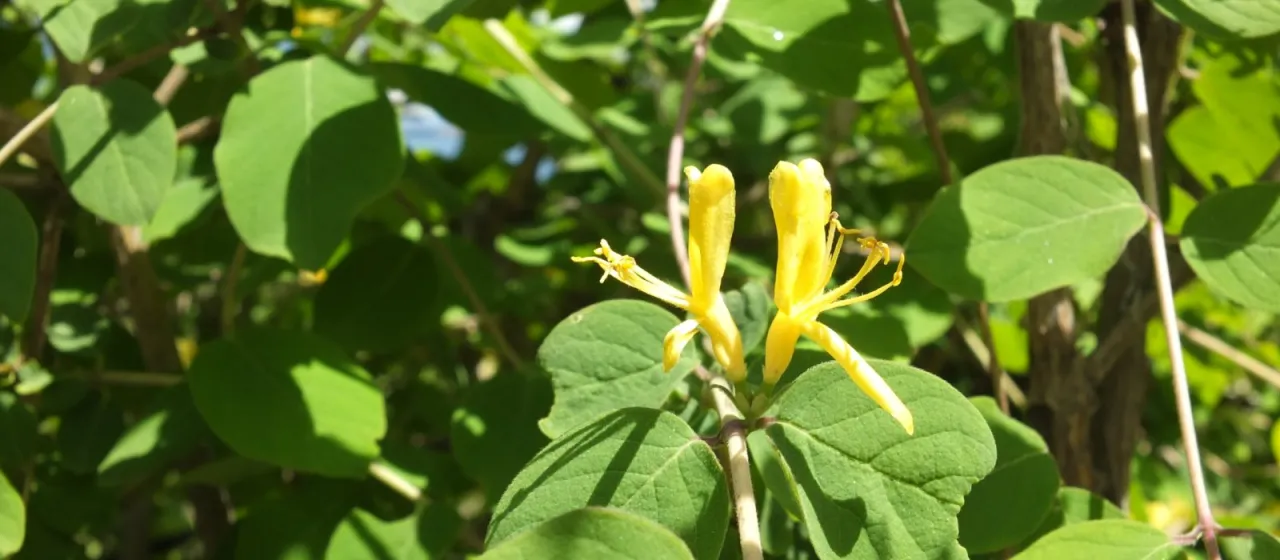
Botanically, the plant is characterized by its opposite, ovate leaves and small, fragrant tubular flowers that typically emerge in shades of white or creamy yellow. As the species name suggests, the fruits are notable for the structure of their ovaries, which develop into berries that are distinct from other common honeysuckle varieties. The plant structure is usually upright and can become quite woody as the specimen matures.
When cultivating this species, site selection is critical. The plant requires well-drained, nutrient-rich soil and prefers full sun to partial shade conditions. Proper maintenance involves yearly pruning to remove dead wood and encourage healthier foliage growth. It is relatively drought-tolerant once established but benefits from consistent moisture during the initial stages of its development in a new garden environment.
In terms of usage and pest management, Lonicera quinquelocularis is mostly utilized as an ornamental plant in landscape design. Like many members of the genus, it may be susceptible to common honeysuckle pests such as aphids and, in humid climates, powdery mildew. Maintaining good air circulation around the shrub is the best preventative measure to ensure long-term health and vitality of the plant.