
Description
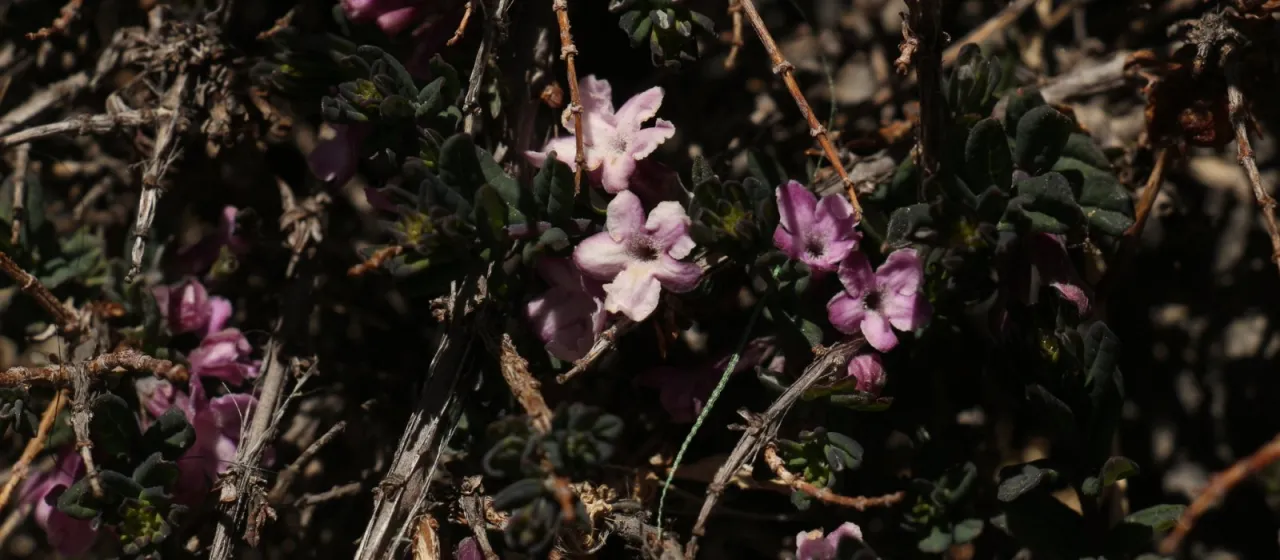
Rock honeysuckle (Lonicera rupicola) is a hardy shrub belonging to the Caprifoliaceae family. It is distinct for its compact growth habit and extreme resilience, naturally adapted to harsh, high-altitude environments where few other woody plants can thrive.
The native range of Lonicera rupicola extends across the mountainous regions of Central Asia, specifically the Himalayan foothills and Tibetan plateaus. In its natural habitat, the plant acts as a pioneer species on rocky slopes and screes, which has influenced its physiological ability to tolerate nutrient-poor, rocky, and fast-draining soils.
Botanically, this honeysuckle features small, leathery leaves that are often pubescent, protecting the plant from intense high-altitude sunlight. The flowers are typically tubular and occasionally fragrant, adapted for pollination by mountain insects. The plant maintains a dense, shrubby structure, making it a stable element in its ecosystem.
In terms of cultivation, Rock honeysuckle demands specific site conditions that mimic its wild environment. Successful growth depends heavily on excellent drainage; waterlogged soils will almost certainly cause root rot. It performs best in full sun or light shade, requiring minimal fertilization and pruning, making it a low-maintenance choice for specialized garden settings like rockeries.
From a horticultural standpoint, the plant is valued for its texture and hardiness in alpine gardens. While generally robust, gardeners should be vigilant against common honeysuckle pests such as aphids and diseases like powdery mildew, which can occur if the planting site lacks adequate air circulation. Strategic placement and proper spacing are the best preventive measures for maintaining a healthy specimen.