
Description
Lonicera ruprechtiana, commonly known as Ruprecht honeysuckle, is a deciduous shrub species belonging to the Caprifoliaceae family. It is recognized for its robust growth habit and ability to reach heights of 3 to 4 meters. This shrub provides a dense structure, making it highly valuable for privacy screening and naturalistic landscaping.
Native to the Far East, specifically Northeastern China, the Korean Peninsula, and parts of Russia, Lonicera ruprechtiana has adapted to diverse climatic conditions. It typically inhabits forest margins, clearings, and rocky terrain. Its hardiness makes it a reliable choice for gardeners in temperate zones looking for a low-maintenance, ornamental plant.
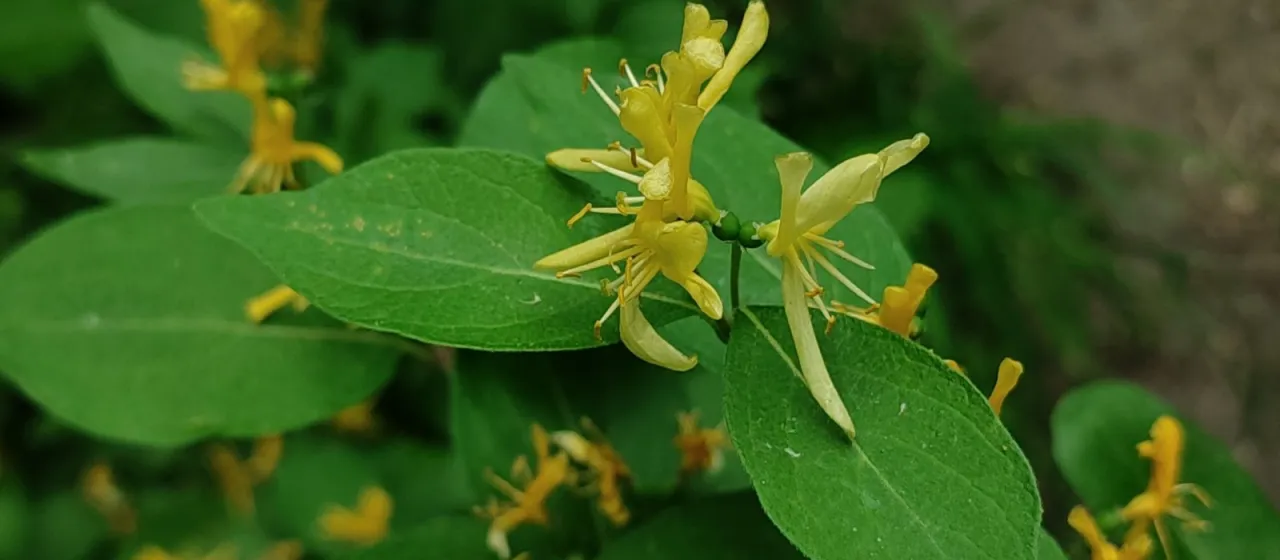
The botanical characteristics of the species include opposite, ovate leaves and fragrant flowers that appear in late spring. The blossoms are initially white or yellowish, often flushing with pink as they age. By late summer, the plant produces vibrant, ornamental red berries. While these berries are inedible to humans, they provide an excellent food source for local bird populations.
For successful cultivation, Lonicera ruprechtiana requires a well-drained, fertile soil with a neutral to slightly acidic pH. While it is highly drought-tolerant once established, young plants benefit from consistent moisture. It performs best in full sun but maintains good vigor in partial shade, making it a versatile addition to various garden locations.
Maintenance is straightforward, focusing on structural pruning to maintain the desired shape and size. The plant is generally resilient, though gardeners should monitor for pests such as aphids or common fungal leaf spots. Regular applications of mulch help suppress weeds and retain soil moisture. Due to its resistance to harsh winters, it is an excellent candidate for colder regions where more delicate shrubs might fail.