
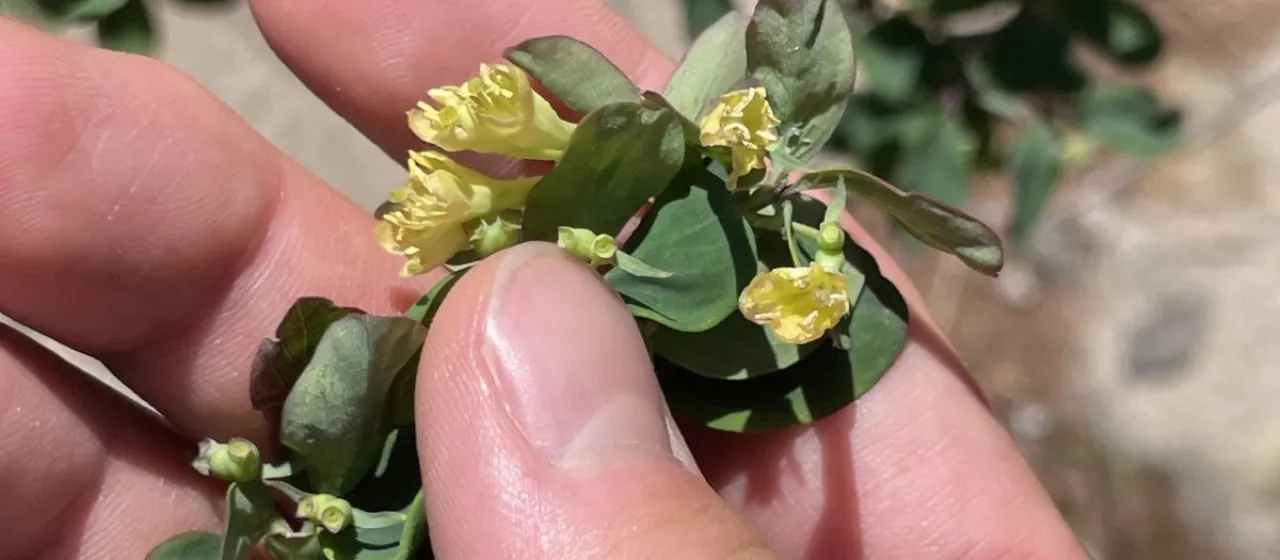
Description
Tangut honeysuckle (Lonicera tangutica) is a perennial shrub species belonging to the Caprifoliaceae family. This plant is known for its compact growth habit and remarkable resilience, making it a subject of interest in both ornamental horticulture and botanical research regarding alpine flora adaptations.
The species is native to high-altitude regions in Central Asia, primarily in China. Being accustomed to rugged terrain and harsh environmental conditions, it has developed mechanisms to survive in nutrient-poor soils and resist cold winter temperatures, which makes it a highly durable choice for temperate gardening.
From a botanical standpoint, the shrub displays dense foliage with lanceolate leaves that often feature a glaucous tint. The flowering process occurs in spring, producing delicate tubular flowers. These are followed by bright, ornamental berries. While the plant is closely related to other honeysuckle species, its primary value remains in its aesthetic contribution to the garden rather than its berry production.
Cultivation requirements for this species focus on providing well-drained soil and adequate sunlight. While the plant is drought-tolerant once established, regular irrigation is recommended during the first year of growth. It performs exceptionally well in rock gardens or as a border shrub, as it does not require fertile soil to thrive and generally maintains a tidy appearance.
In terms of agricultural and horticultural use, the plant is valued for its low maintenance. It is rarely affected by major pests or diseases, which reduces the need for chemical intervention. This makes it an ideal candidate for low-input landscaping projects, public park planting, and restoration of rocky slopes where other ornamental species might fail.
- Excellent cold tolerance.
- Minimal fertilization needs.
- High resistance to pests.
- Suitable for xeriscaping.