
Description
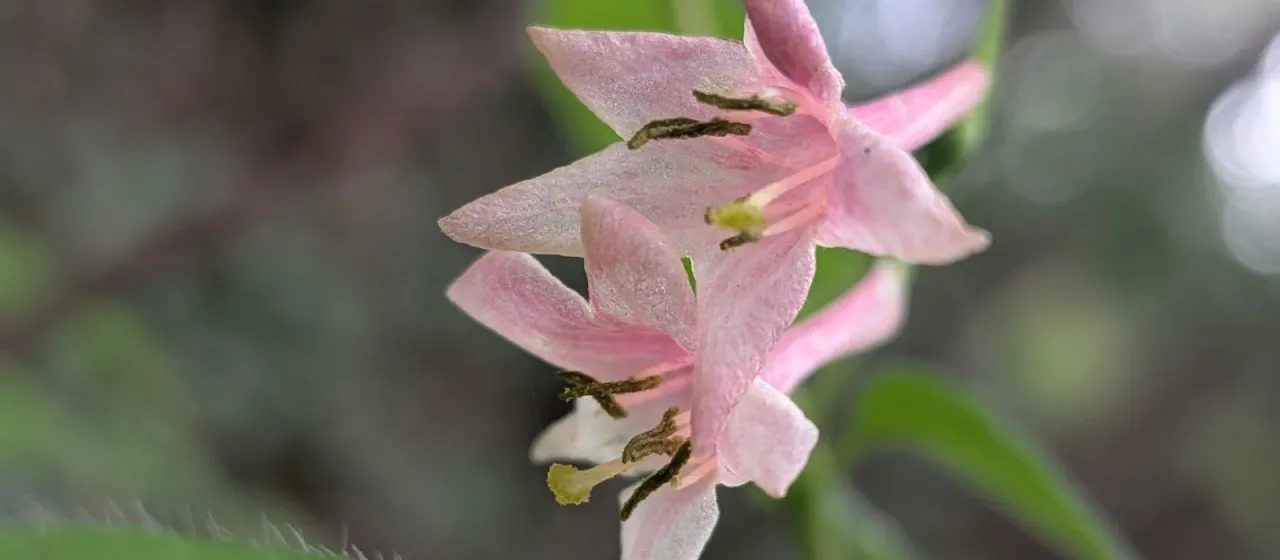
Lonicera tenuipes is a deciduous shrub belonging to the Caprifoliaceae family. It is distinct for its elegant, slender structure, with flowers perched on exceptionally fine, thin peduncles, which provides the etymological basis for its specific epithet and distinguishes it from other common honeysuckle species.
The origin of this species is rooted in the temperate regions of East Asia, primarily spreading across Japan and the Korean Peninsula. In its native habitat, it typically populates woodland understories, thriving in environments characterized by cool temperatures, moderate atmospheric humidity, and dappled sunlight exposure.
Botanically, it presents as a slow-to-moderate growing shrub that usually reaches heights of 1.5 to 2 meters. The foliage consists of simple, opposite leaves with an elliptical shape. During the spring, the shrub produces delicate flowers, followed by small, ornamental fruits that provide significant aesthetic value to the garden landscape throughout the season.
For successful cultivation, Lonicera tenuipes requires well-drained, fertile soil with a neutral to slightly acidic pH. The plant performs best in partial shade, as excessive direct sunlight can potentially damage the foliage or dry out the root system. Proper mulching and consistent watering during the initial growth stages are essential for establishing a healthy and resilient root network.
- Site requirements: Partial shade, protected from strong winds.
- Soil type: Rich, loamy, well-drained medium.
- Pruning: Minimal, focused on removing dead or crowded branches.
- Resilience: High tolerance to cold winters.
The primary horticultural use for this species is in decorative landscaping, serving well in shrub borders or as a specimen plant in mixed gardens. Growers should remain vigilant against common pests such as aphids and leaf-rollers. Maintaining good air circulation within the canopy is the most effective cultural practice to prevent fungal infections like powdery mildew.