
Description
Mountain fly honeysuckle (Lonicera villosa) is a deciduous shrub belonging to the Caprifoliaceae family. It is a hardy perennial plant valued for its ability to thrive in northern climates where other berry crops struggle to survive the harsh winter conditions.
The native range of this species extends across northern North America, including parts of Canada and Alaska. It is typically found in moist, acidic environments, such as bogs, fens, and tundra regions. Its evolutionary adaptation to these specific soils makes it a unique candidate for cultivation in similar northern latitudes or reclaimed acidic lands.
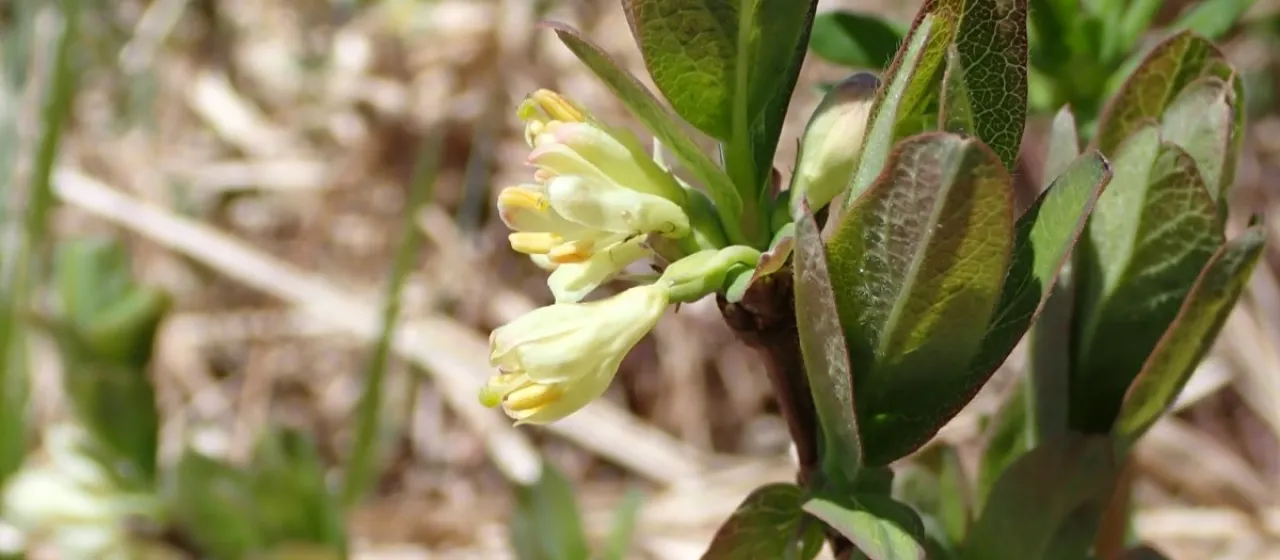
The botanical characteristics of Lonicera villosa include pubescent (hairy) stems and leaves, which serve as a distinguishing feature. The plant typically forms low-growing, spreading thickets. It produces small, tubular yellowish flowers that develop into elongated, glaucous blue-black berries, which are harvested for their high nutritional value and distinct flavor profile.
Cultivation requirements for this crop focus on soil acidity and moisture management. It thrives in well-drained but consistently moist, acidic soils (pH 4.5–6.0). Growers should avoid waterlogged conditions while ensuring the plant receives adequate water during the ripening period. Mulching is highly recommended to regulate soil temperature and retain moisture in the root zone.
In terms of agricultural use, this species is primarily used for its genetic resilience. It is cross-bred with other honeysuckle varieties to introduce cold-hardiness and disease resistance traits. While pests such as aphids or certain fungal pathogens can affect the plant, proper spacing and air circulation are usually sufficient to maintain a healthy plantation without heavy chemical intervention.