
Description
Fly honeysuckle (Latin: Lonicera xylosteum) is a deciduous shrub that belongs to the Caprifoliaceae family. It typically grows as a dense, rounded shrub reaching heights of 1.5 to 3 meters, making it a popular choice for structured landscape design and windbreaks in various horticultural applications.
Native to Europe and parts of Western Asia, this species is highly adaptable to different environmental conditions. It is commonly found in woodlands and thickets, demonstrating a high tolerance for varied soil types, particularly those with high limestone content, which often challenge other shrub species.
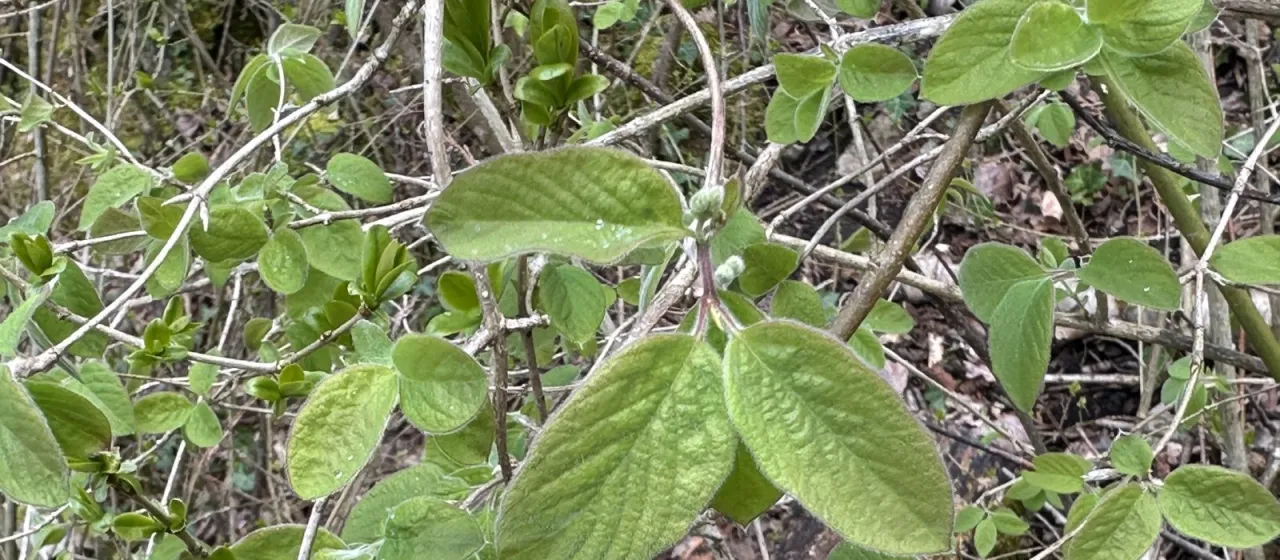
Botanically, the plant is identified by its opposite, ovate leaves and small, yellowish-white flowers that bloom in late spring. The plant produces distinctive bright red, paired berries in the late summer. It is essential to note that these berries are toxic and must not be consumed by humans or livestock.
Regarding cultivation, Fly honeysuckle is prized for its hardiness and low maintenance requirements. It thrives in full sun to partial shade and is notably drought-tolerant once established. Growers should focus on regular pruning to maintain the plant's shape and prevent excessive woodiness in older branches, ensuring good airflow within the canopy.
The plant is generally robust, but it can be susceptible to several pests and diseases that require standard monitoring:
- Aphid infestations on tender spring growth.
- Powdery mildew development during humid summers.
- Defoliation caused by leaf-rolling caterpillars.
- Leaf spot infections under suboptimal growing conditions.