
Description
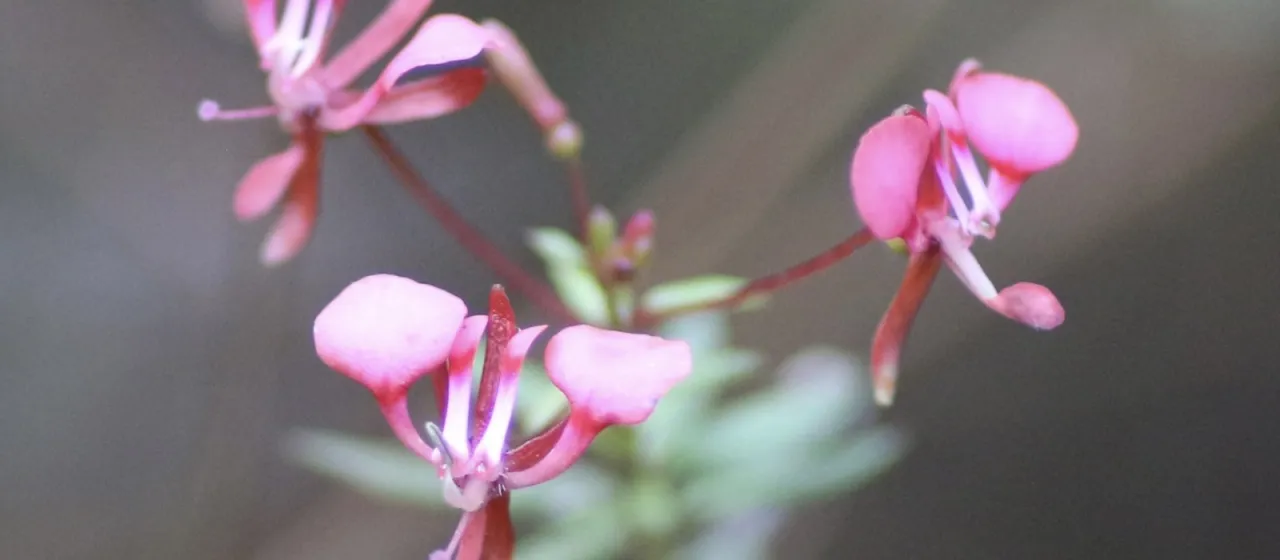
Lopezia racemosa, commonly known as the flycatcher flower, is an herbaceous plant member of the Onagraceae family. It is recognized for its elegant, slender appearance and unique, small flowers that display a distinct, asymmetric structure, making it a sophisticated addition to botanical collections.
The species is native to the mountainous regions of Mexico and Central America. Historically and geographically, it thrives in environments that offer moderate sunlight and well-drained slopes. These origins define its preference for temperate climatic conditions and its need for adequate air circulation during the growing season.
Botanically, the plant features delicate branching stems with lanceolate leaves. The flowers are arranged in terminal racemes, characterized by petals that reflex in a way that exposes the reproductive organs, which is a classic trait of the genus. This structural arrangement is specifically adapted to attract pollinators in its native habitat.
Agronomic requirements emphasize the necessity of fertile, well-draining soil with a balanced pH level. In cultivation, it is essential to mimic its natural drainage conditions; therefore, sandy loam substrates are highly recommended. Consistent but moderate moisture is critical, as the plant does not tolerate waterlogging, which often leads to root development issues.
The primary use of Lopezia racemosa is ornamental, where it is utilized in borders, rock gardens, and container arrangements. Growers should be vigilant regarding common pests such as aphids and mites. To maintain the health of the plant, regular inspections are advised to prevent potential outbreaks of powdery mildew, which can occur if the planting density is too high or if ventilation is insufficient.