
Description
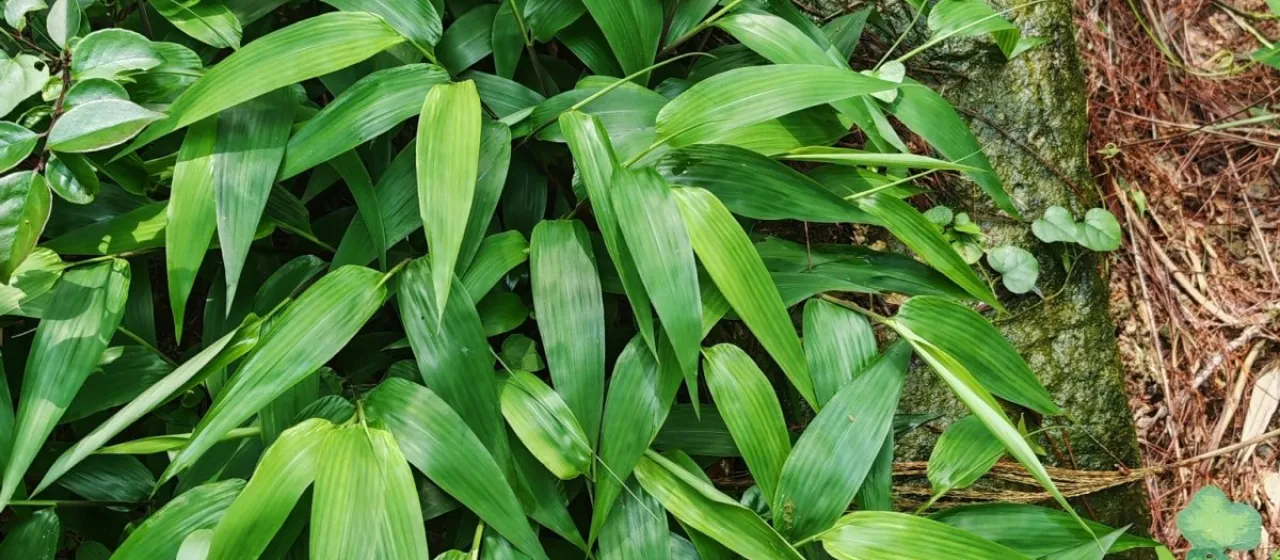
Lophatherum gracile, commonly known as bamboo-leaf grass, is a perennial herbaceous species belonging to the grass family Poaceae. It is distinguished by its bamboo-like appearance, featuring nodes on the stems and wide, lanceolate leaves. As a rhizomatous plant, it spreads steadily, forming lush clumps that are highly valued in both ecological and decorative contexts.
This species is native to tropical and subtropical regions of Asia, including China, India, and parts of Southeast Asia. It thrives in humid environments, typically occupying forest floors, mountain slopes, and areas adjacent to streams. Its natural distribution is a direct indicator of its preference for stable, high-humidity climates with moderate light exposure.
Agronomically, Lophatherum gracile requires nutrient-rich, well-draining soils with a slightly acidic to neutral pH. Success in cultivation depends on maintaining consistent moisture levels; however, it is essential to avoid waterlogging, which can compromise the root system. The plant performs best in shaded or semi-shaded locations, as direct sunlight can cause leaf desiccation.
The cultivation process involves periodic organic fertilization to promote biomass production, which is crucial if the plant is grown for medicinal harvesting. Weed control is essential during the initial growth stages, while mulching helps regulate soil temperature and moisture. Propagation is primarily achieved through rhizome division during the dormant season.
- Medicinal use: Traditional treatment for fevers and inflammation.
- Ornamental use: Popular in Asian-style landscape architecture.
- Pest management: Monitor for aphids and spider mites.
- Disease prevention: Ensure proper air circulation to prevent fungal rot.
The commercial utility of Lophatherum gracile lies primarily in its phytochemical properties. Leaves and stems are harvested, dried, and used in traditional medicine formulations for their diuretic and antipyretic effects. While generally hardy, farmers must be vigilant against fungal pathogens in humid conditions and manage soil drainage to ensure crop longevity.