
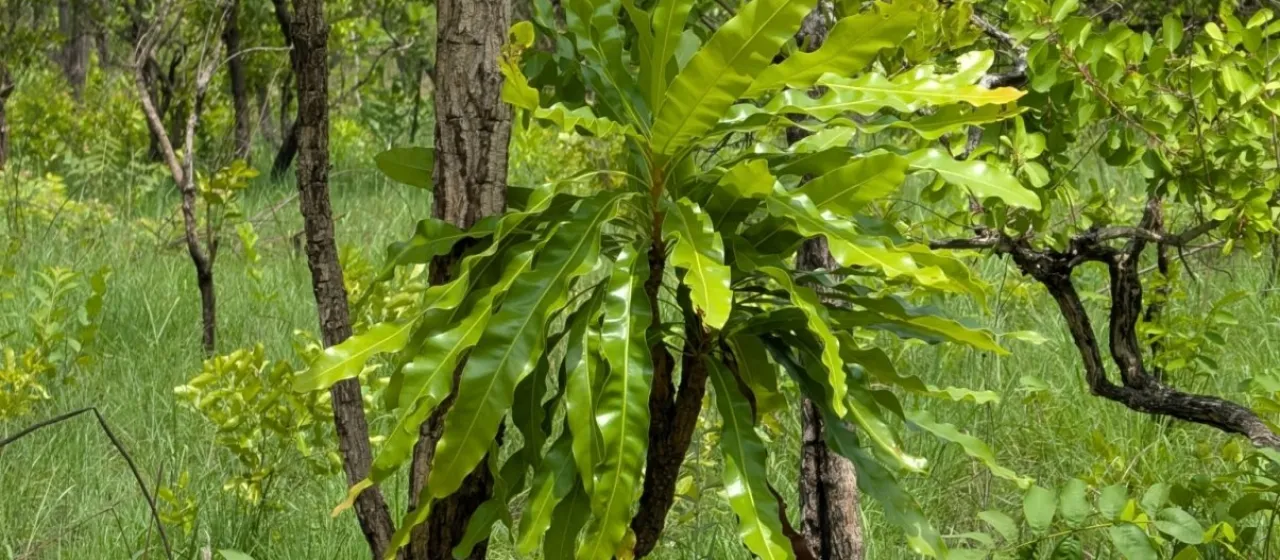
Description
Lophira lanceolata, commonly known as the African oak or menke tree, belongs to the Ochnaceae family. This woody perennial is indigenous to the savanna zones of tropical Africa, stretching across the continent from Senegal to Sudan. It is a multipurpose species highly valued by local communities for both environmental stability and socio-economic benefits.
Botanically, the tree is recognized for its lanceolate, leathery leaves and white, fragrant flowers. It typically reaches a height of 15 to 20 meters. A notable feature of this species is its resilience; it is a fire-tolerant tree, a trait that is essential for survival in the frequently burnt landscapes of the African savanna, allowing it to regenerate efficiently after seasonal wildfires.
The species is well-adapted to a variety of soil types, ranging from sandy loams to rocky, impoverished soils. It thrives in regions with distinct wet and dry seasons, exhibiting high drought resistance. While it does not require intensive agricultural input, success in propagation depends on proper seed handling and protecting seedlings from competitive weeds and livestock during the early stages of growth.
The most significant economic use of Lophira lanceolata is the extraction of oil from its seeds. This oil is highly sought after for both culinary purposes and traditional health remedies, particularly in skin care. Additionally, the timber of the tree is extremely dense, durable, and resistant to termites, making it a preferred material for construction, tool handles, and heavy-duty furniture.
Common health issues for the tree involve fungal pathogens that can affect the trunk if the environment remains waterlogged, though such conditions are rare in its native habitat. Pests primarily include seed-boring insects that target the fruit crop. Agricultural management focuses on sustainable harvesting and promoting the growth of this tree within agroforestry systems to prevent soil erosion and improve soil fertility.