
Description
Lophocolea bidentata is a widespread species of liverwort belonging to the Lophocoleaceae family. As a non-vascular spore-bearing plant, it is not cultivated for agricultural production; however, it serves as a critical biological component within forest ecosystems and damp habitats, acting as a natural moisture regulator and soil stabilizer.
The distribution of this species is extensive across the Northern Hemisphere, spanning various temperate zones. It thrives in shaded, moist environments, often establishing itself on decomposing logs, damp soil, or at the bases of trees. Its presence indicates a high level of environmental humidity and is often associated with stable, low-disturbance microclimates.
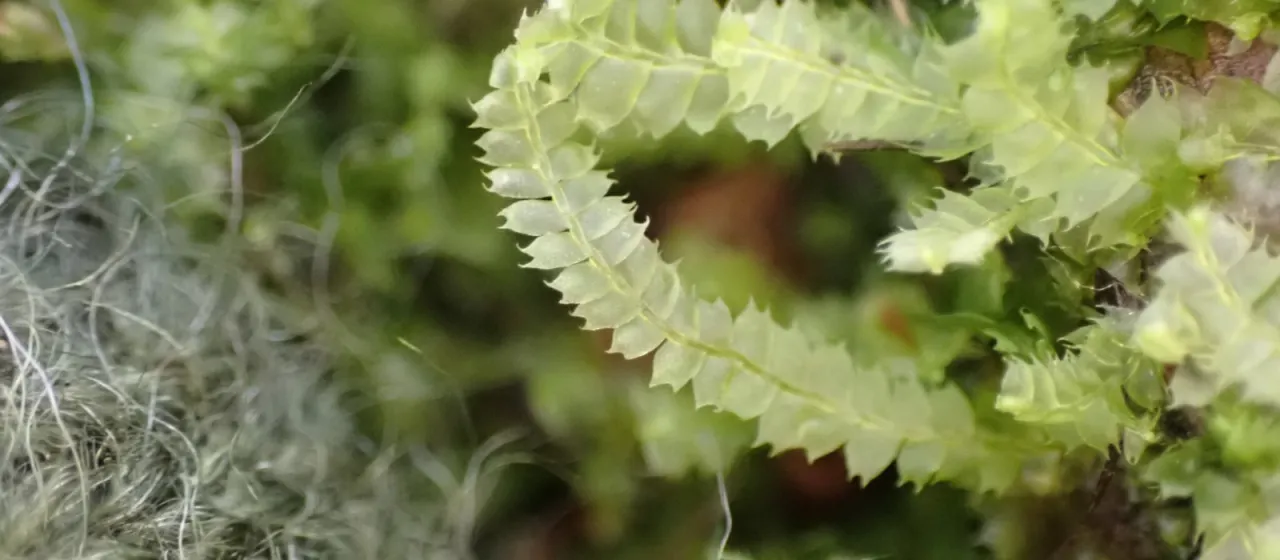
Botanically, Lophocolea bidentata is characterized by its pale green, prostrate, and branched shoots. The leaves are distinctively bidentate (two-toothed) at the apex, which is a key diagnostic feature for identification. The plant utilizes rhizoids to anchor itself to various substrates, efficiently absorbing moisture and nutrients directly from the air and the immediate surface of the growing medium.
While not a target for industrial agriculture, the presence of this moss in field margins or near wetlands is a clear ecological signal. It indicates zones of persistent soil moisture, which may require specific attention in agricultural management, particularly regarding drainage and soil aeration to prevent waterlogging of nearby crop fields.
Key environmental requirements for its development include:
- Consistently high relative humidity levels.
- Protection from direct, intense sunlight to avoid desiccation.
- Absence of major soil disturbances or intensive tilling.
- Sensitive response to atmospheric pollution, acting as a bioindicator.
In terms of pathology, the species is not prone to agricultural pests or diseases. Its health and distribution are primarily constrained by abiotic factors, most notably air quality and water availability. Because it lacks a vascular system, it is highly susceptible to chemical pollutants, which limits its presence in areas subjected to heavy use of synthetic agrochemicals.