
Description
Lopholaena coriifolia is a perennial herbaceous plant or subshrub belonging to the Asteraceae family. Known for its resilience, this species serves as a valuable model for studying adaptive mechanisms in plants inhabiting arid and semi-arid environments.
The species originates from Southern Africa, where it is well-adapted to the distinct climatic conditions of savanna ecosystems. Its distribution is largely influenced by soil composition and seasonal rainfall patterns, making it a specialized subject for regional botanical and agricultural studies.
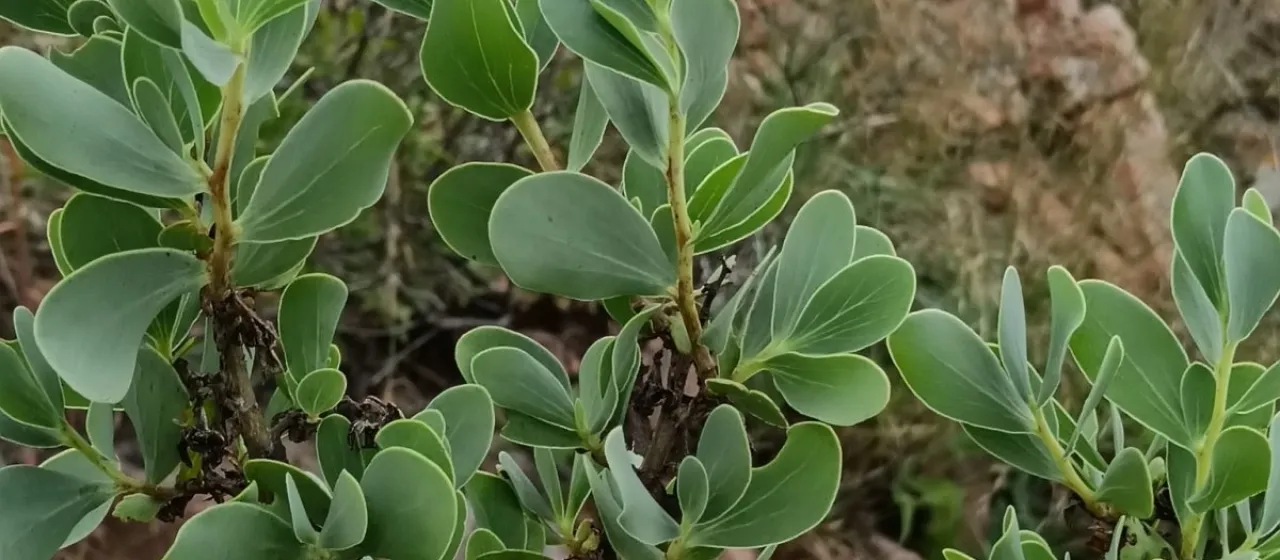
Botanically, Lopholaena coriifolia is recognized by its coriaceous (leathery) leaves, which are an evolutionary adaptation to minimize water loss via transpiration. The plant produces characteristic composite flower heads that contribute to its structural complexity and ecological role.
Agronomic requirements for this crop focus on well-drained, sandy, or rocky soils that prevent root saturation. It is a drought-tolerant species that thrives in full sun, requiring minimal chemical intervention or high-input fertilization, which aligns with sustainable land management practices.
- Requires well-drained soil substrates
- High tolerance to moisture deficiency
- Sensitive to excessive humidity and root pathogens
- Minimal fertilization requirements for growth
Regarding utilization, the plant is primarily employed in restorative landscaping and as a ground cover for stabilizing arid landscapes. Common plant health issues include root-rot pathogens induced by poor drainage and typical sap-sucking pests like aphids that occasionally colonize the foliage.