
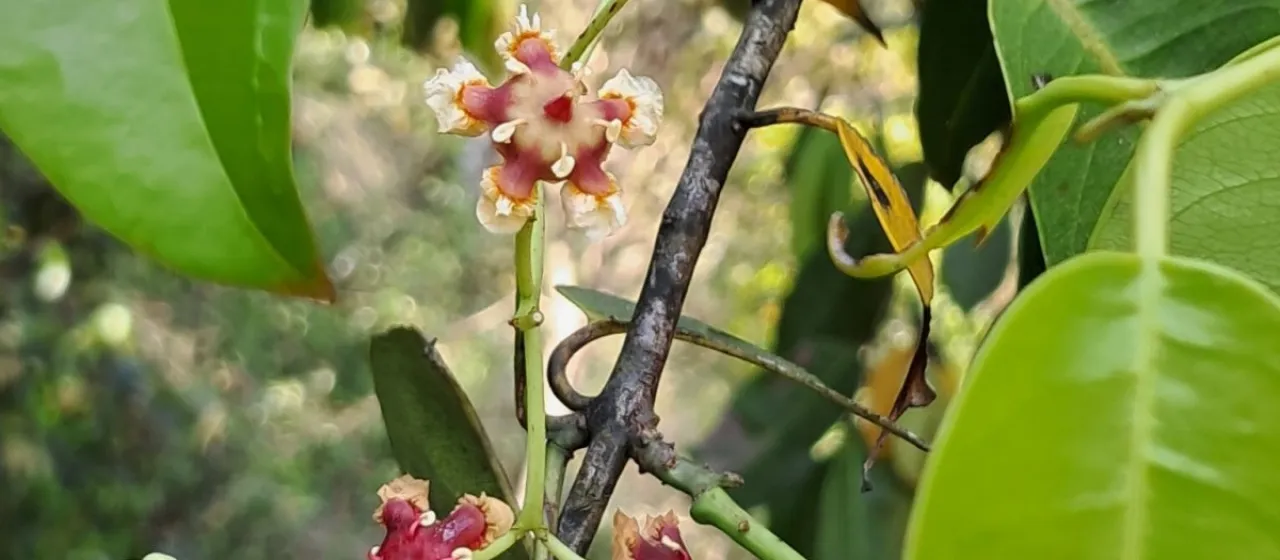
Description
Lophopetalum wightianum is a large evergreen tropical tree belonging to the Celastraceae family. Under natural conditions, this tree attains substantial dimensions, developing a dense canopy and a robust trunk, which makes it an essential component of the ecosystems within the moist tropical forests of South and Southeast Asia.
The species is native to India and various countries in Southeast Asia, where it thrives predominantly in evergreen and semi-evergreen forests. The natural range of the culture covers regions with high annual rainfall and consistently warm temperatures, as the tree is highly sensitive to cold and requires high ambient humidity for optimal growth and development.
Botanically, the species is characterized by opposite leaves and small flowers arranged in axillary inflorescences. The fruit is a capsule that dehisces upon maturity, releasing winged seeds capable of wind dispersal. The tree possesses a deep root system, which provides structural stability across various soil types, including alluvial deposits found in lowland areas.
For successful cultivation, Lophopetalum wightianum requires deep, well-drained, fertile soils rich in organic matter. The tree prefers sites with ample sunlight, though it can tolerate partial shade during its juvenile stage. Silvicultural practices in plantation settings involve monitoring planting density and implementing weed control measures during the initial years of tree establishment.
The economic value of this culture lies primarily in its high-quality timber, commercially known as "balu". This wood has medium density and excellent workability, making it suitable for furniture manufacturing, plywood production, joinery, and interior finishings, which drives interest in its sustainable management within forestry programs.
- Family: Celastraceae
- Distribution: South and Southeast Asia
- Usage: Forestry and Timber Industry
- Environmental requirements: Tropical climate, high humidity