
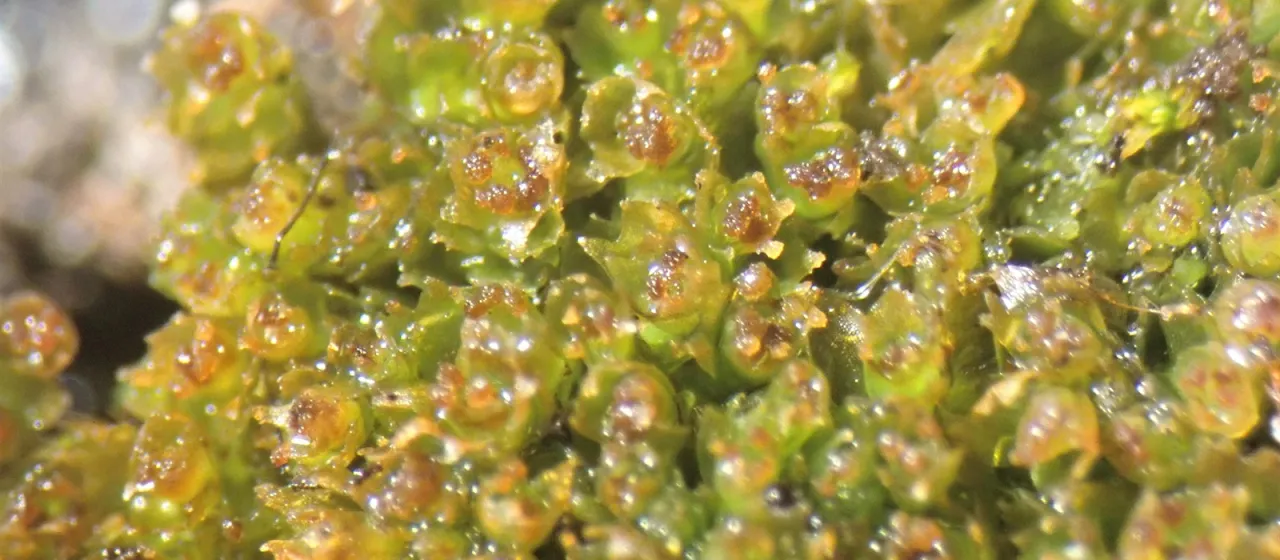
Description
Lophozia bicrenata is a species of liverwort belonging to the family Lophoziaceae. As a non-vascular plant, it acts as a pioneer species in various ecosystems, particularly in disturbed soil environments. While it is not a commercial agricultural crop, its presence serves as a valuable indicator of specific edaphic conditions within a managed landscape.
The species has a broad distribution across the Northern Hemisphere, occurring in diverse habitats such as forest clearings, heaths, and sandy banks. It is typically found in habitats where the soil is acidic and nutrient-poor, allowing it to survive in areas where more competitive vascular vegetation cannot establish itself effectively.
Morphologically, Lophozia bicrenata consists of small, leafy shoots that form low mats. The leaves are characteristically bifid, meaning they are divided into two distinct lobes. The plant reproduces sexually via spores and asexually through gemmae, which are small structures produced on the leaf margins, facilitating rapid colonization of bare soil surfaces.
The environmental requirements for this liverwort include high soil acidity and consistent moisture availability. In agricultural settings, the proliferation of this moss on fields or tracks often suggests high soil compaction or low pH levels. Management practices such as liming or improved aeration are typically required to restore soil health when this species becomes overly dominant in a field edge or fallow land.
This species is of primary interest in ecological and botanical research rather than commercial farming. Its roles include:
- Serving as a bioindicator for soil pH levels and acidity.
- Participating in primary succession on denuded land.
- Contributing to the stabilization of topsoil in erosion-prone areas.