
Description
Lophozia incisa is a species of liverwort belonging to the Lophoziaceae family. While not a commercial crop, it represents a vital component of bryophyte communities in northern forests. It serves as a biological model for studying plant adaptation to acidic and nutrient-poor environments within woodland ecosystems.
The distribution of this species is circumpolar, found throughout the temperate and boreal regions of Europe, Asia, and North America. It thrives in habitats characterized by high humidity and consistent moisture, often colonizing decaying logs, peat bogs, and damp, shaded ground in coniferous forests.
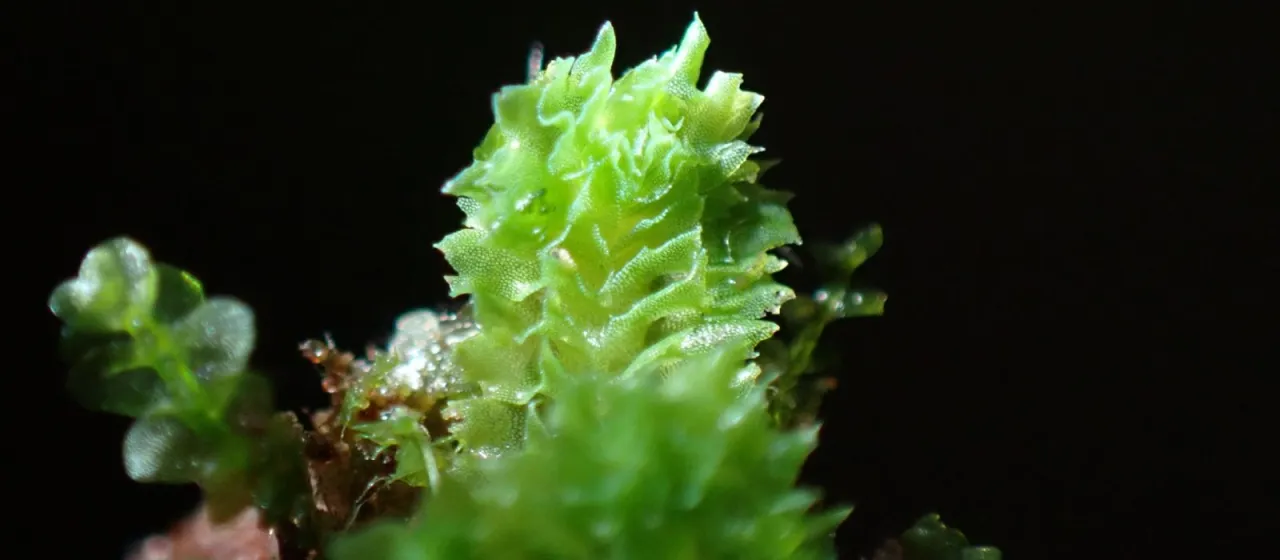
Botanically, the plant forms compact, creeping mats. The leaves are distinctively incised, providing the diagnostic feature for its identification. The plant reproduces mainly through gemmae, small asexual reproductive structures that allow it to propagate rapidly in its immediate surroundings under stable microclimatic conditions.
Its ecological requirements are stringent regarding moisture levels. It favors acidic substrates with high organic content. As it is not an agricultural crop, there are no cultivation protocols; however, its presence is a sign of a healthy, undisturbed forest floor. It requires protection from direct sunlight and thrives in the cool, shaded understory.
The economic and ecological utility of Lophozia incisa lies in soil protection and nutrient cycling within forest ecosystems. It contributes to water retention in the soil and assists in the breakdown of organic matter. Natural pest or disease outbreaks are rare, as the plant exists in a complex ecological balance with its environment, though it is vulnerable to habitat loss and drainage.