
Description
Lophozia ventricosa is a species of liverwort belonging to the family Jungermanniaceae. While it is not classified as a commercial agricultural crop, it holds significant ecological value within natural habitats, particularly in boreal and temperate forests where it acts as a critical ground-cover organism.
The geographic distribution of this species spans widely across the Northern Hemisphere. It thrives in diverse environments, ranging from damp forest floors and peatlands to acidic rocky outcrops. Its ability to colonize nutrient-poor, acidic substrates makes it a pioneer species in post-disturbance environments, facilitating soil stabilization.
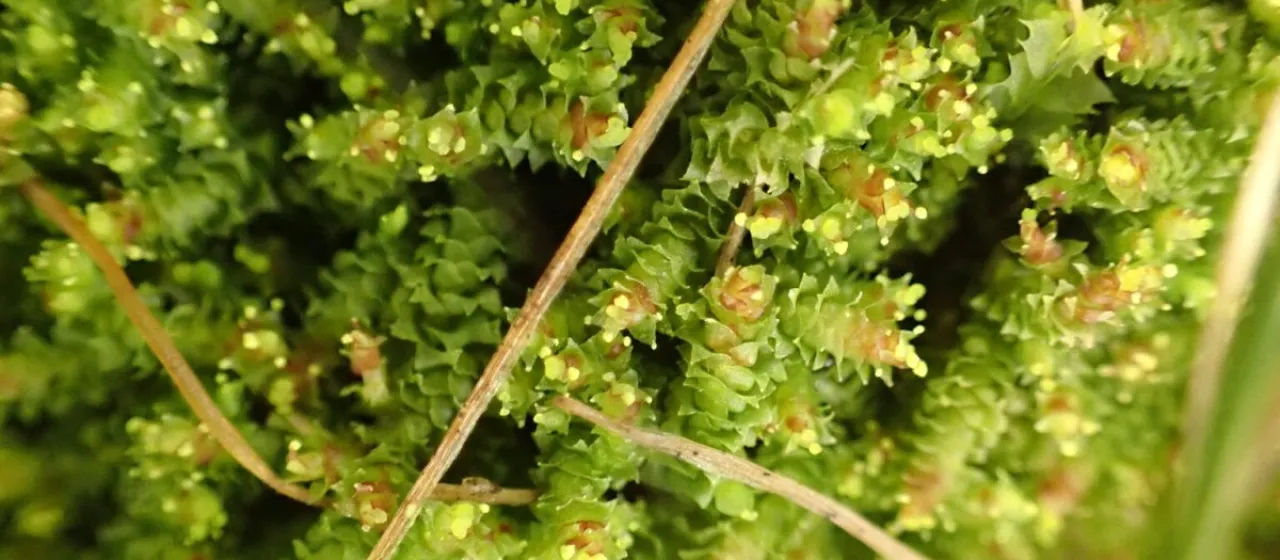
Botanically, Lophozia ventricosa is characterized by its prostrate or ascending stems covered in bilobed leaves. A notable feature is the variation in pigmentation, often displaying shades of green mixed with reddish or brown tones, which serves as a protective adaptation against varying light intensities. It reproduces through spores and vegetative fragments, allowing for rapid colonization.
Environmental requirements focus heavily on moisture and substrate chemistry. The species prefers acidic, moist environments and displays high resilience to cold temperatures. In research or ex-situ cultivation, the key is maintaining stable humidity levels and avoiding direct high-intensity light, which can cause dehydration of the bryophyte tissue.
Host plant usage is primarily ecological, as it contributes to moisture retention and soil health within its niche. It is frequently utilized as a bioindicator for air quality studies due to its high sensitivity to atmospheric pollutants. While pests are not a major factor for this species, excessive water stagnation can promote fungal growth, which may lead to the decline of individual colonies.