
Description
Lotus biflorus is a perennial herbaceous plant belonging to the Fabaceae family. As a member of the diverse Lotus genus, this species is recognized for its ability to thrive in varied environments while contributing significantly to soil nitrogen levels through its symbiotic relationship with rhizobia bacteria.
The origin of this species is linked to semi-arid Mediterranean climates. Over time, it has established itself in ecosystems where water availability is periodic. Its natural habitat is typically characterized by open fields and dry grasslands, which has guided its potential for agricultural domestication in regions with similar bioclimatic conditions.
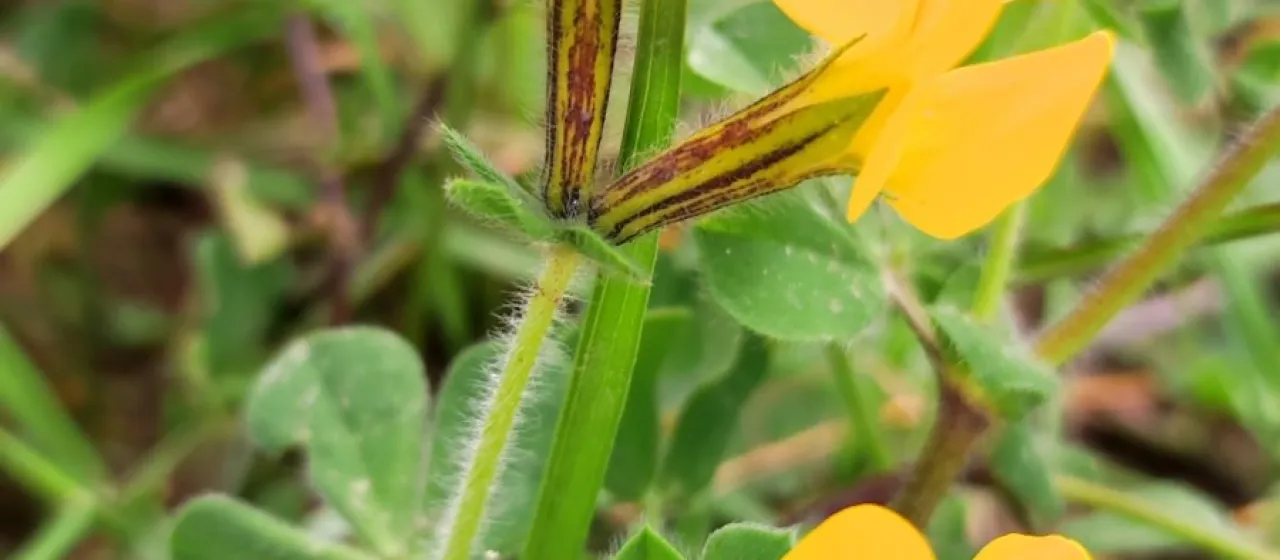
Botanically, the plant is identified by its trifoliate leaves and distinctive yellow flowers that occur in pairs, a unique trait that differentiates it from other species within the genus. The plant typically grows in a low-spreading habit, which provides natural ground cover, protecting the soil from evaporation and direct solar radiation.
Cultivation requirements for Lotus biflorus emphasize the need for well-draining, neutral-to-alkaline soils. It is highly resistant to drought once established, but it requires adequate sunlight for optimal growth. Management practices should focus on avoiding overwatering, as the species is particularly sensitive to anaerobic soil conditions caused by waterlogging.
- Excellent nutritional profile for livestock forage.
- Effective nitrogen-fixing capacity for soil health.
- Drought resistance suitable for dryland agriculture.
- Potential for erosion control in marginal lands.
Economically, Lotus biflorus is valued primarily as a forage source. It provides highly digestible green mass that is rich in proteins, making it an excellent candidate for inclusion in hay mixtures or pasture improvement programs. Its persistence in harsh conditions makes it a reliable asset for livestock farmers in challenging climates.
Common agricultural threats include fungal pathogens like powdery mildew, which may appear during periods of high humidity. Insect pests such as aphids and leaf-eating beetles can occasionally impact crop health. Effective pest management relies on balanced fertilization and maintaining appropriate plant density to encourage air circulation through the canopy.