
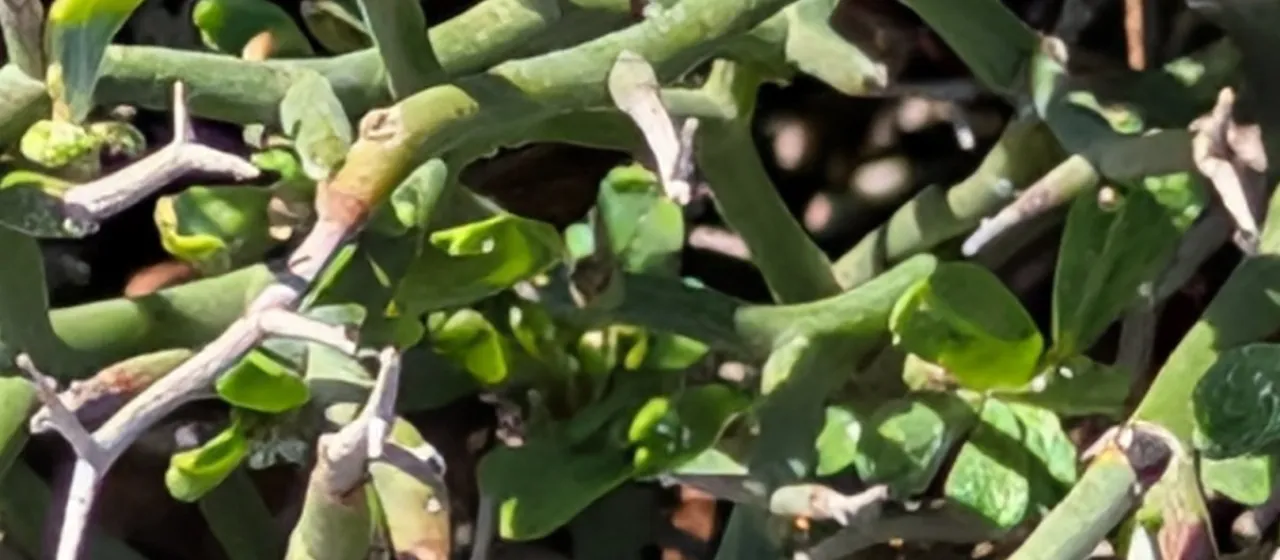
Description
Lightning lotus (Lotus fulgurans) is a distinct species of the Fabaceae family, recognized for its remarkable resilience in arid environments. As a perennial forage legume, it has gained interest among agronomists seeking climate-adapted crops that thrive where traditional legumes struggle to survive.
The origin of this species is traced to the Mediterranean region, where it naturally inhabits dry, rocky terrains. This environmental adaptation makes the plant highly effective at utilizing limited moisture, as its biological profile is optimized for survival in regions with frequent summer droughts.
Botanically, the plant features a deep taproot system, which serves as a reservoir and anchor in stony soils. The foliage is covered with fine trichomes, serving as a defense mechanism against water loss. Its inflorescences are small yet abundant, facilitating effective pollination and reproduction even under ecological stress.
To cultivate the plant successfully, producers must prioritize soil drainage. It prefers alkaline or neutral soils and cannot tolerate waterlogged conditions, which lead to root rot. Successful planting requires a firm seedbed and precise depth control, ensuring the seeds are not buried too deeply to maintain vigor during germination.
The primary agricultural use of this plant is as a high-protein component in livestock feed for sheep and goats.
- Excellent nutritional density of foliage.
- Resistance to heavy grazing pressure.
- Improvement of soil nitrogen levels through rhizobial symbiosis.