
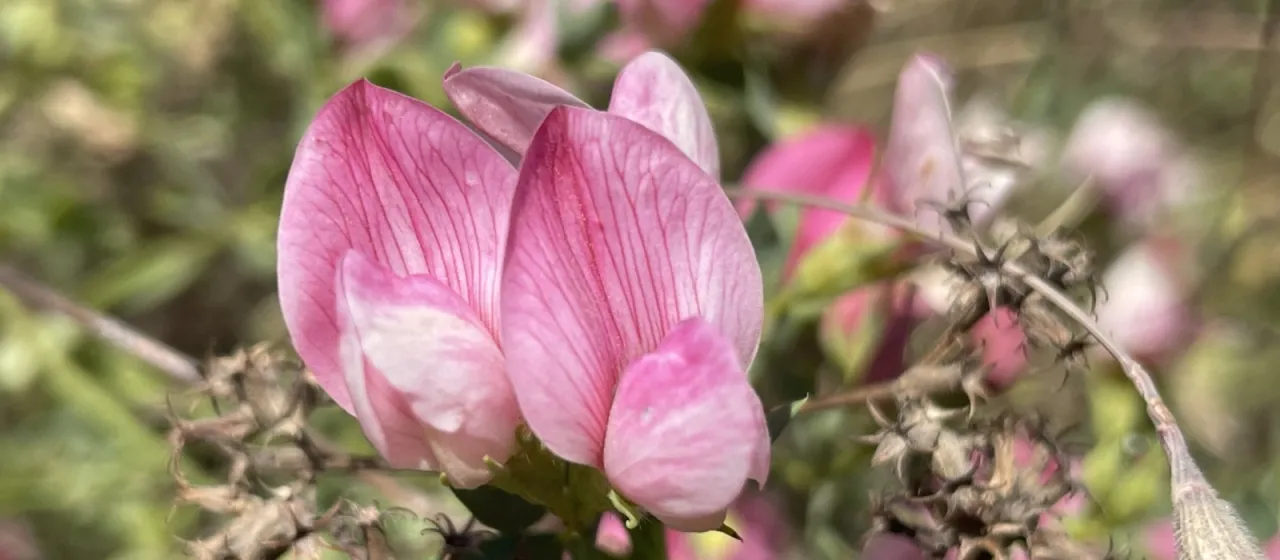
Description
Lotus gebelia is a perennial herbaceous plant belonging to the Fabaceae family. As a member of the diverse Lotus genus, it has gained attention in agronomic studies due to its unique physiological adaptations, which allow it to thrive in environments where traditional forage crops might fail.
The origin of Lotus gebelia is traced to the mountainous and arid regions of the Middle East and the Caucasus. It has evolved to survive in habitats characterized by high solar radiation, low precipitation, and nutrient-poor soils, making it a subject of interest for climate-smart agriculture and land reclamation programs.
Botanically, it is recognized by its sturdy stems and complex trifoliate leaves. The root system is notably deep, facilitating survival during dry spells. The reproductive organs produce yellow papilionaceous flowers, which are typical for the family and play a vital role in seed production cycles in the wild.
Regarding agrotechnical requirements, the plant prefers well-drained, lime-rich, or stony soils. It is highly intolerant of waterlogged conditions, which can lead to fungal pathogens. Farmers should focus on site selection that provides adequate aeration, as the plant is remarkably tolerant of low soil fertility and high heat conditions.
Agricultural use is primarily focused on livestock forage production. The nutritional profile makes it a viable grazing plant. Management strategies should include careful monitoring for pests like aphids and weevils, which are common to most legumes. Implementing integrated pest management (IPM) is essential to ensure high yields and healthy stands in the long term.