
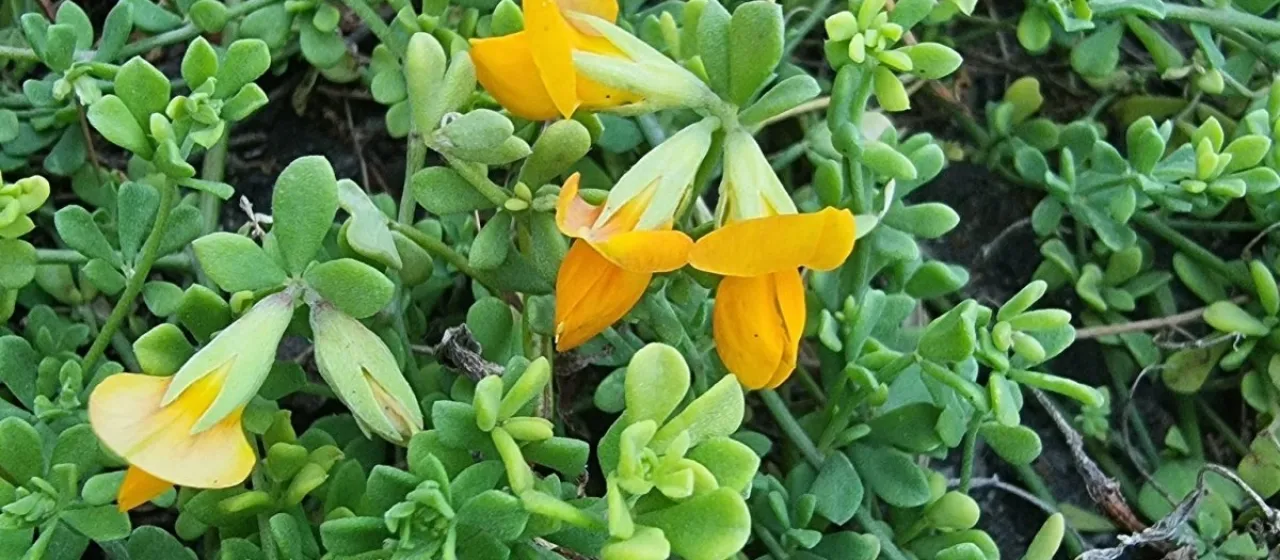
Description
Lotus glaucus is a perennial herbaceous plant belonging to the Fabaceae family. This species is recognized for its adaptation to specific environments and serves as an interesting subject for studies on forage potential in Mediterranean and similar subtropical climates.
The plant originates primarily from Macaronesia, with significant populations found in the Canary Islands and Madeira. It is typically distributed in rocky, arid, and open habitats, reflecting its natural evolutionary adaptation to low-nutrient, high-drainage soil conditions and resistance to prolonged seasonal droughts.
Botanically, Lotus glaucus is distinguished by its branched stems and glaucous (bluish-gray) foliage, which serves as a protective mechanism against intense solar radiation. The flowers are typically yellow and organized in umbel-like inflorescences. The root system is robust, allowing the plant to explore soil profiles effectively for moisture and nutrients.
Regarding cultivation requirements, the plant thrives in well-drained, porous soils with neutral to slightly alkaline pH levels. Agronomic practices should focus on maintaining a weed-free seedbed during the establishment phase. Since it is a legume, it performs best when managed with minimal nitrogen fertilizer, relying instead on its natural ability for nitrogen fixation to support healthy biomass production.
In terms of agricultural use, Lotus glaucus is utilized in pasture restoration and forage systems where soil quality is marginal. It contributes to soil fertility and provides palatable biomass for grazing animals. Typical challenges include susceptibility to soil-borne fungal pathogens in waterlogged soils and occasional infestations by beetles or other defoliating pests that require regular field monitoring.