
Description
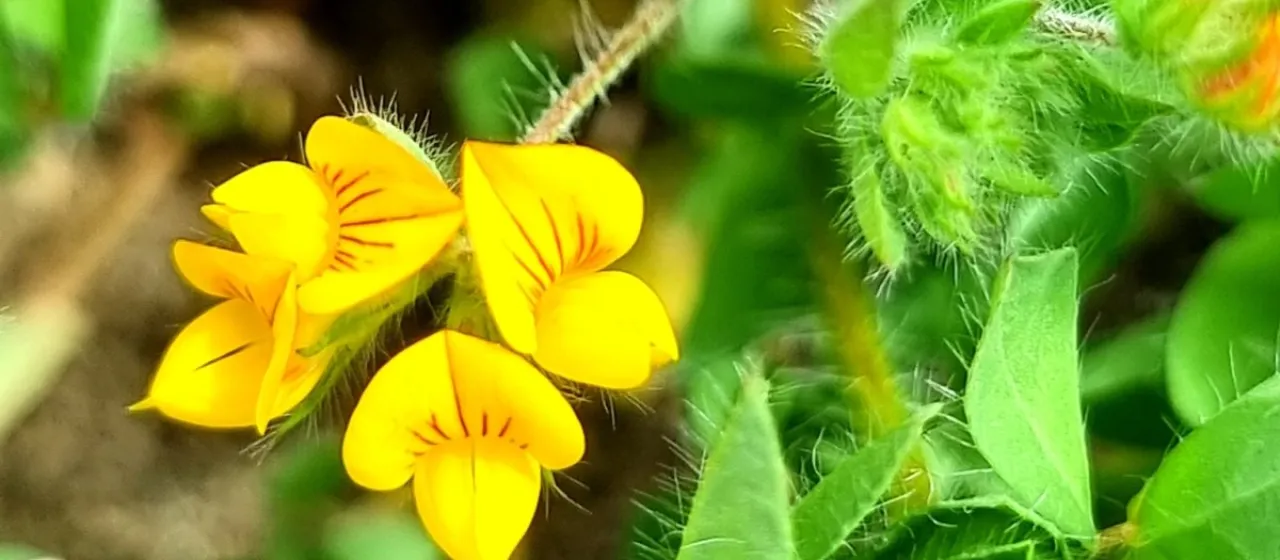
Bristly bird's-foot trefoil (Lotus hispidus) is an annual herbaceous plant belonging to the Fabaceae family. As a member of the legume family, this crop is valued for its ability to form symbiotic relationships with nitrogen-fixing bacteria, which significantly improves soil fertility in agricultural systems.
The origin of this species is primarily associated with the Mediterranean Basin and Western Europe. It is well-adapted to Mediterranean climates characterized by mild, wet winters and dry, warm summers. The plant occupies a niche in disturbed lands, rocky slopes, and sandy soils, demonstrating remarkable resilience under varied environmental conditions.
Botanically, Lotus hispidus is distinguished by its hairy stems and leaves, an evolutionary adaptation to preserve moisture. The plant produces small, bright yellow flowers typical of the genus Lotus. Its taproot system penetrates the soil effectively, facilitating nutrient uptake and structural improvement of the soil profile, making it a useful component in sustainable crop management.
Agricultural requirements for this crop focus on well-drained soils and adequate sunlight exposure. It thrives in light-textured soils where drainage prevents waterlogging, which the plant does not tolerate. While it is somewhat drought-tolerant once established, providing consistent moisture during the early vegetative stage ensures better biomass production and successful stand establishment.
Primary agricultural uses for this species include:
- Usage as a high-protein forage crop for livestock grazing.
- Application as a green manure (cover crop) to enhance nitrogen levels.
- Soil erosion control on slopes and unstable fields.
- Integration into crop rotations to improve soil biological activity.
Regarding pest and disease management, Lotus hispidus is generally robust, but it can be susceptible to common legume pathogens such as powdery mildew or root rots if soil conditions are too moist. Insect pests, including aphids and weevils, may occasionally cause damage. Maintaining proper planting density and weed management strategies is essential to keep the crop healthy and ensure high agricultural productivity.