
Description
Lotus lanuginosus, commonly known as woolly bird's-foot trefoil, is a perennial herbaceous plant belonging to the Fabaceae family. As a legume, it plays a significant role in nitrogen fixation and ecological sustainability, particularly in semi-arid environments where soil quality is a limiting factor for agricultural productivity.
The species is primarily native to the Mediterranean region and parts of Western Asia. Its evolutionary adaptation to harsh, rocky, and sandy environments makes it an ideal candidate for reclaiming marginal lands and stabilizing soils prone to erosion in various climates across the globe.
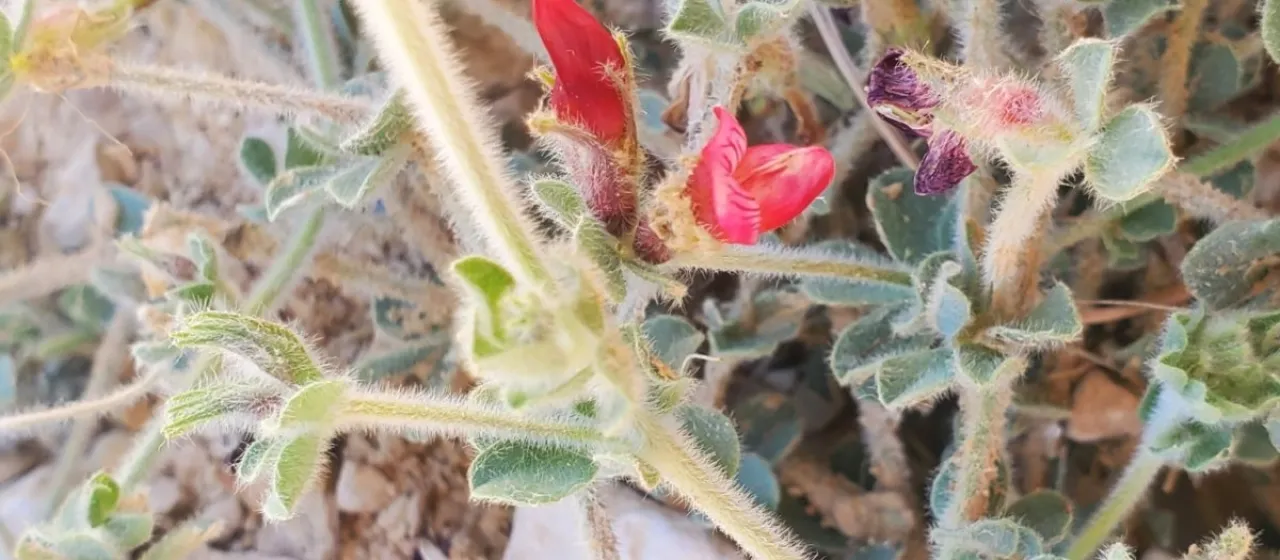
Botanically, the plant is distinguished by its dense, fine hairs covering the stems and leaves, which serve as a protective mechanism against intense heat and dehydration. The compound, trifoliate leaves are typical for the genus, while its inflorescences produce vibrant flowers that support local pollinator populations.
Agricultural success with this species relies on its preference for well-drained, alkaline or neutral soils. It exhibits remarkable drought tolerance, requiring minimal irrigation once established. Proper field management includes avoiding waterlogging, which can trigger fungal root diseases and negatively impact the symbiotic nitrogen-fixing bacteria.
Economically, it is valued for its potential in forage production and soil improvement programs. By incorporating Lotus lanuginosus into crop rotation or permanent pasture systems, farmers can improve soil fertility naturally. Common pests include aphids and weevils, while cultural practices should focus on maintaining a healthy moisture balance to prevent mildew outbreaks.
- Excellent atmospheric nitrogen fixation.
- Superior tolerance to arid climates.
- High value for biodiversity and pollinators.
- Effective for erosion control on slopes.