
Description
Lotus loweanus is a perennial herbaceous plant belonging to the Fabaceae family. As a member of the diverse Lotus genus, it shares common nitrogen-fixing characteristics with other legumes, making it a valuable component in natural grasslands and potentially in sustainable pasture management systems.
The plant is native to the Madeira archipelago, thriving in specific oceanic climate conditions. Its restricted range reflects its specialization to the unique environment of these islands. Due to its endemic nature, research into its cultivation focuses on replicating these specific environmental stressors, such as wind exposure and drainage patterns, to ensure healthy growth.
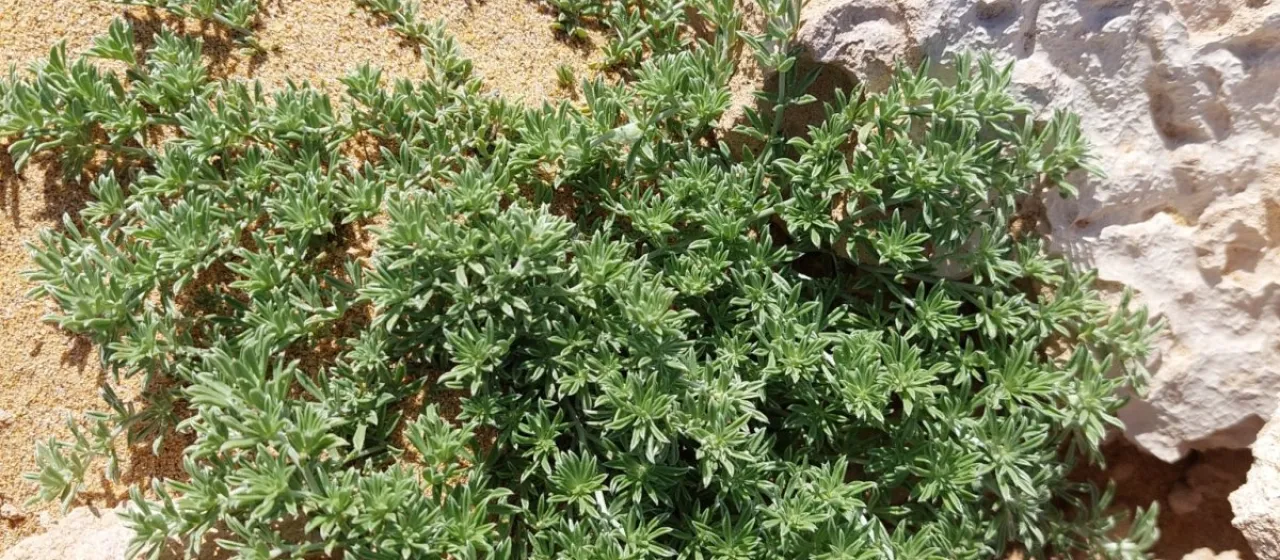
Botanically, this species is characterized by its prostrate or sprawling growth habit, which allows it to cover the ground effectively. The foliage consists of trifoliate leaves, and the flowers are typically yellow, common to the Lotus genus. The root system is robust, providing essential anchorage in rocky or sandy substrates common to its natural habitat.
Regarding cultivation, Lotus loweanus requires well-drained, porous soils to thrive. It is highly intolerant of waterlogging, which can rapidly lead to root decay. A sunny location is essential to promote flowering and seed production. During the initial growth stages, it is important to control weed competition, as the plant establishes its root system relatively slowly compared to faster-growing grasses.
In agricultural practice, its primary use is for soil stabilization and enhancing pasture biodiversity. It helps in nitrogen fixation, thereby increasing soil fertility for surrounding plants. Typical pests include aphids and various beetle larvae, while disease management primarily involves maintaining soil aeration to prevent fungal pathogens such as Pythium or Fusarium from affecting the root collar.