
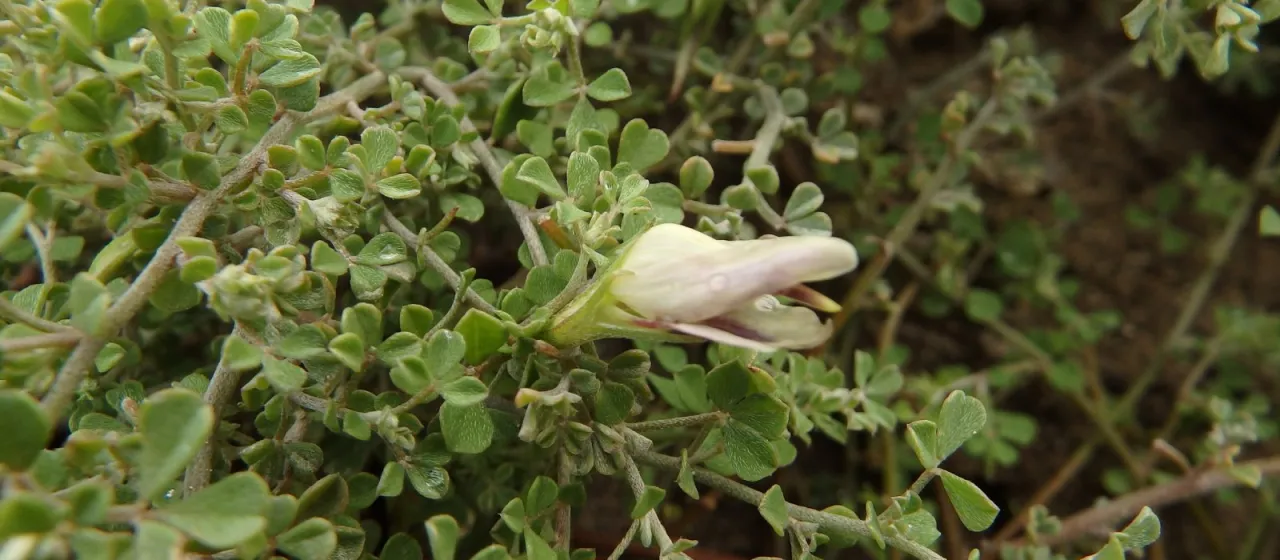
Description
Lotus macranthus is a perennial herbaceous plant belonging to the Fabaceae family. As an agricultural crop, it is highly valued for its nutritional density and its role in sustainable farming systems. By forming symbiotic relationships with nitrogen-fixing bacteria in its root nodules, it significantly enhances soil fertility, making it an excellent candidate for crop rotation and meadow improvement.
The native range of this species covers various regions characterized by temperate to subtropical climates. Historically, it has been established in environments ranging from highland slopes to meadows. Its adaptability to diverse ecological conditions makes it a robust option for farmers looking for drought-tolerant forage sources that require minimal external chemical inputs for maintenance.
Botanically, Lotus macranthus is distinguished by its vigorous stems, large, vibrant flowers, and trifoliate leaves. The root architecture is particularly noteworthy; it is deep-seated and branching, which allows the plant to thrive even in soils with limited water retention. This structural characteristic also provides a significant benefit in land reclamation projects by stabilizing soil against erosion.
Agronomic requirements focus on well-drained soil conditions. While the plant can tolerate a variety of soil types, it performs best in neutral to slightly acidic substrates. Effective cultivation involves ensuring adequate sunlight exposure and avoiding waterlogged areas. Management practices should include strategic harvesting to encourage regrowth, as the plant responds well to controlled grazing and cutting cycles throughout the growing season.
The primary agricultural utility of this plant is found in forage production, where it provides a high-protein diet for livestock. When managing this crop, it is essential to monitor for common threats such as fungal pathogens, including powdery mildew and various leaf spots. Insect pests like weevils can also impact yield; however, integrated pest management (IPM) strategies, including biological control, are generally successful in mitigating these issues.