
Description
The Asparagus pea, scientifically known as Lotus tetragonolobus, is an annual legume in the Fabaceae family. While it is often colloquially called a pea, it belongs to the Lotus genus. This plant is increasingly recognized for its culinary value and its visual appeal, making it a unique addition to both vegetable patches and ornamental gardens.
Native to the Mediterranean region, the Asparagus pea is highly adapted to warm, dry climates. Historically, it has been cultivated across Southern Europe. The plant thrives in environments that offer plenty of direct sunlight and well-drained soils, reflecting its evolutionary background in semi-arid coastal and hillside areas.
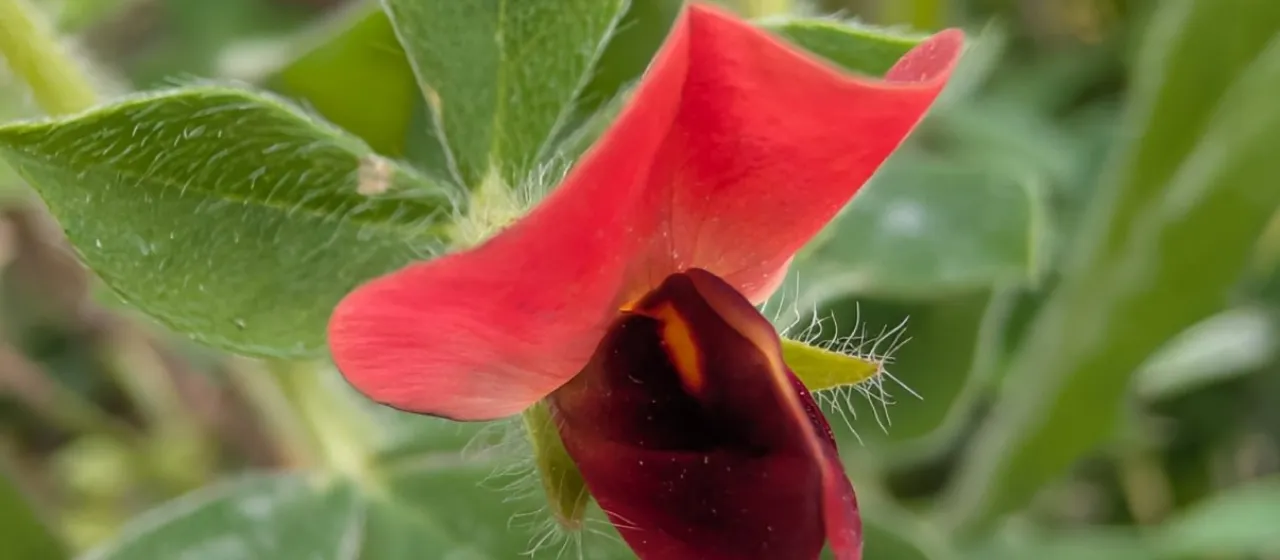
Botanically, the plant features a low-growing, spreading habit. Its most distinguishing characteristics are the four-angled, winged pods that extend from the stems. During the growing season, the plant produces striking dark red to purple flowers, which contrast beautifully with the lush green foliage, enhancing the aesthetic value of the garden.
Agricultural requirements focus on providing a warm, sunny site with light, sandy, or loamy soil. The Asparagus pea is particularly sensitive to waterlogged conditions, which can lead to rapid root rot. Therefore, proper drainage is the most critical factor for success. It is relatively drought-tolerant once established but requires consistent care during the germination phase.
In terms of utilization, the tender, young winged pods are the primary harvest, typically eaten whole as a vegetable. They are prized for their unique, asparagus-like flavor when lightly steamed or sautéed. Beyond the kitchen, as a legume, the plant contributes to soil health by fixing atmospheric nitrogen, making it a valuable crop for sustainable agricultural rotations.
Common issues encountered during cultivation include:
- Aphid infestations on tender shoot tips.
- Root rot caused by poor soil drainage and excessive moisture.
- Damage from slugs and snails, especially during wet springs.