
Description
Lotus ucrainicus is a perennial leguminous herbaceous plant belonging to the Fabaceae family. As an agricultural crop, it is highly regarded for its adaptability and nutritional profile, making it a sustainable choice for pasture improvement and high-quality fodder production in diverse climatic zones.
Native to the Eurasian steppe and forest-steppe regions, this species has developed a strong resistance to environmental stressors. Its range of cultivation is primarily concentrated in areas with moderate precipitation and continental climates, where it thrives in natural grassland ecosystems and managed agricultural fields.
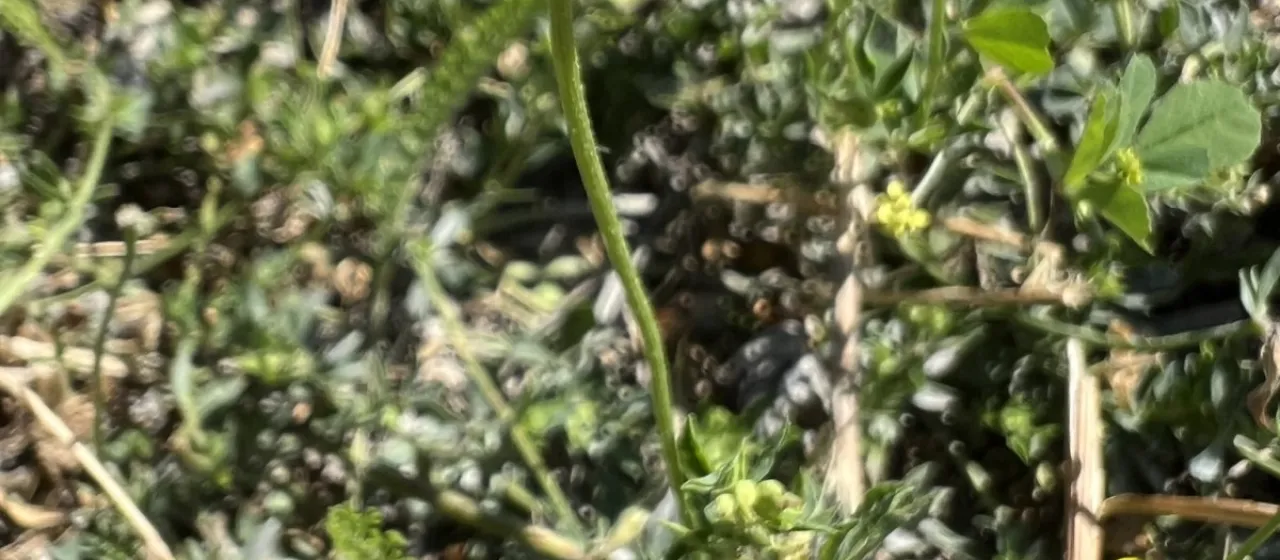
Botanically, the plant features trifoliate leaves and distinctive yellow flowers organized in umbels. It possesses a deep-reaching root system that provides stability and access to deep soil nutrients, which is crucial for long-term stand persistence and drought tolerance during the summer months.
Regarding cultivation, Lotus ucrainicus requires well-aerated soils with moderate moisture retention. It is relatively undemanding regarding soil pH, though it performs best in neutral to slightly alkaline environments. Agronomic practices emphasize proper seed scarification to break dormancy and ensure uniform germination during the early growth stages.
The primary economic use of this crop is in the forage sector, serving as a protein-rich feed source for livestock. It is often integrated into long-term pasture mixtures to improve soil structure and nitrogen content through symbiotic nitrogen fixation. Common plant health issues include root-feeding insects and foliar fungal pathogens, which can be managed through crop rotation and balanced nutrient management strategies.