
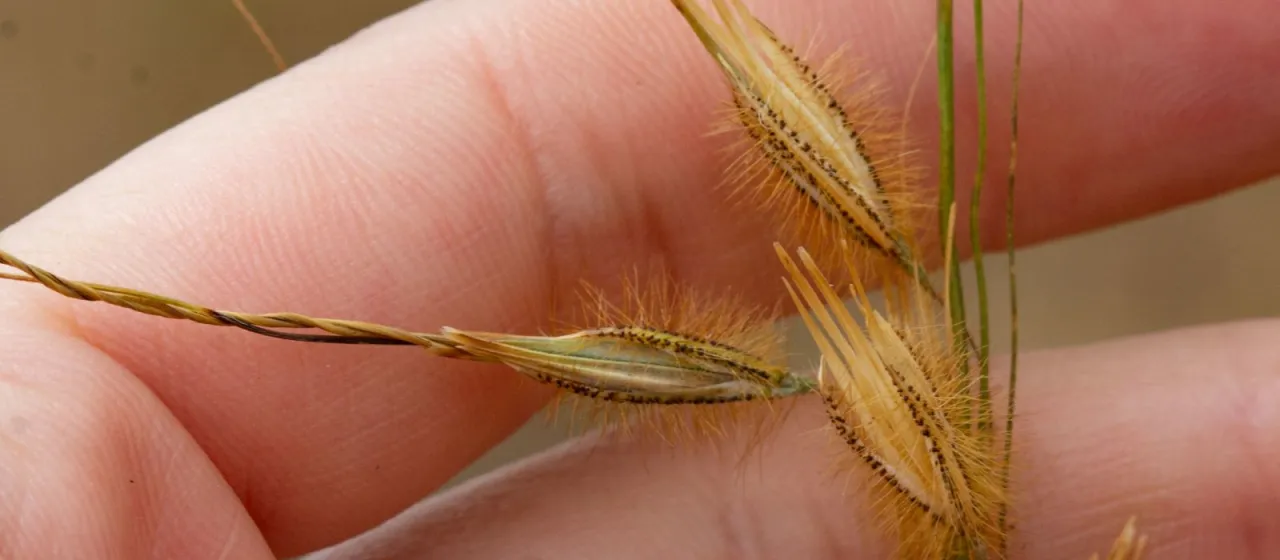
Description
Loudetiopsis chrysothrix is a perennial grass species belonging to the family Poaceae. Native to the tropical regions of Africa, this plant is primarily recognized as a component of savanna ecosystems. While not widely cultivated as a global commercial crop, it plays a vital role in providing biomass for pastoral systems in its native geographic range, contributing significantly to local biodiversity and soil stability.
The plant originates from the tropical savanna regions, where it has evolved to thrive in environments with distinct wet and dry seasons. Its natural distribution is widespread across various African landscapes, where it colonizes areas ranging from open grasslands to woodland clearings. This broad adaptation is a testament to its resilience in varying environmental conditions typical of the subtropical climate.
Botanically, Loudetiopsis chrysothrix is characterized by its tufted growth habit and linear, often pubescent leaves that help conserve moisture. The inflorescence is a panicle, which exhibits a distinct golden hue during the flowering period, serving as a primary identifier for the species. The roots are deep and robust, allowing the plant to penetrate compacted soil layers and access water reserves during seasonal drought.
Regarding cultivation requirements, the grass thrives best on well-drained, acidic to neutral soils. It shows a high tolerance for nutrient-poor substrates, making it an excellent candidate for land conservation in marginal areas. Standard agrotechnical practices focus on managing grazing intensity; rotational grazing is recommended to ensure that the plant retains enough photosynthetic tissue for rapid recovery after defoliation.
The primary utility of this species is in livestock forage, where it provides essential grazing material for cattle and goats. In terms of health, the plant is relatively hardy, though it may be susceptible to fungal diseases such as rusts during periods of prolonged high humidity. Insect pests, including locusts and various borers, can impact yields, necessitating careful monitoring to maintain high pasture quality.
For sustainable management, it is crucial to avoid overgrazing, which can lead to the depletion of root reserves and eventual thinning of the stand. By implementing seasonal rest periods, farmers can ensure the long-term vitality of the grass, preserving its role as a key contributor to soil health and livestock productivity in tropical agricultural systems.