
Description
Loxopterygium huasango is a unique woody plant belonging to the Anacardiaceae family, which is of significant interest to botanists and forestry specialists. This species is a valuable representative of the dry tropical forests of South America.
The natural range of this species is concentrated primarily in the arid regions of northwestern Peru and border areas of Ecuador. The tree is adapted to the specific climatic conditions of subtropical deciduous forests, where there is a clear alternation between wet and dry seasons.
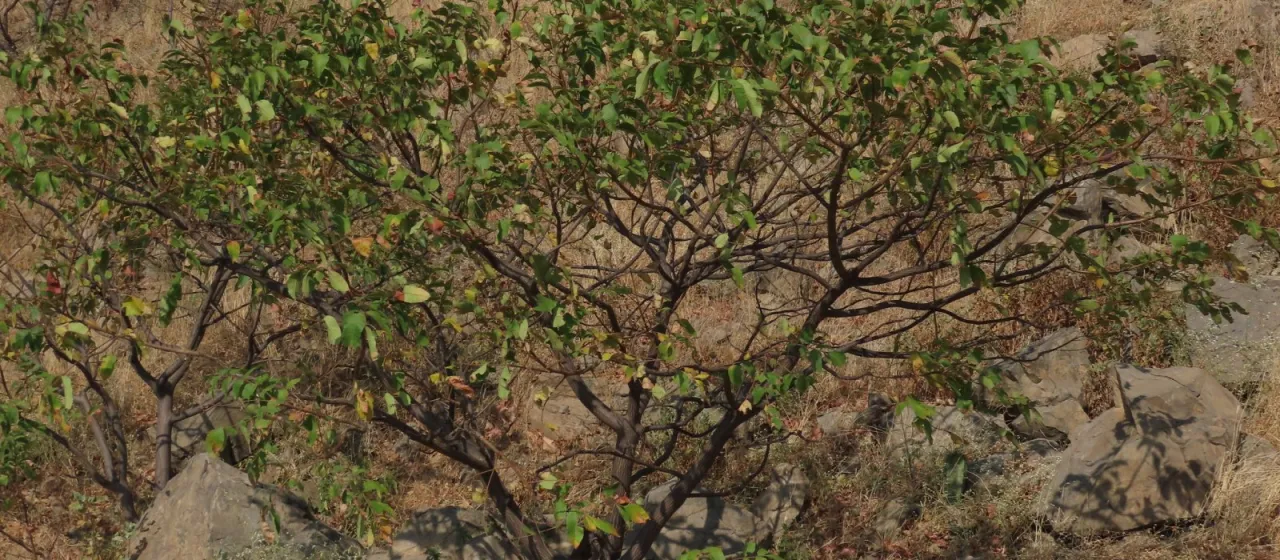
Botanically, the crop is a medium-to-large tree with a well-developed root system, allowing it to survive in conditions of limited moisture. The plant's leaves are compound and leathery, which is a defensive reaction to intense solar radiation and moisture evaporation in semi-arid biotypes.
Agricultural practices for commercial cultivation are limited to natural ranges, as the crop is extremely demanding regarding well-drained soils and high levels of sunlight. The main factors for success are selecting sites with minimal water stagnation and maintaining planting distances to ensure proper canopy aeration.
The economic importance of the species lies primarily in the production of high-quality timber, which is characterized by high density and resistance to decay. Additionally, local communities traditionally use various parts of the plant for applied purposes, including crafting materials and incorporation into landscaping in arid zones.