
Description
Loxsoma cunninghamii is a rare and botanically significant fern species, representing the sole member of its genus within the Loxsomataceae family. As a primitive leptosporangiate fern, it serves as a crucial subject for evolutionary biology, retaining ancestral characteristics that link it to ancient plant lineages from the geological past.
This species is endemic to the North Island of New Zealand. In its natural habitat, it thrives in damp, sheltered forest environments, often colonizing slopes or areas with moist, nutrient-rich soil. Its narrow distribution reflects a high dependency on specific environmental stability, which makes it a challenging but rewarding subject for specialized cultivation.
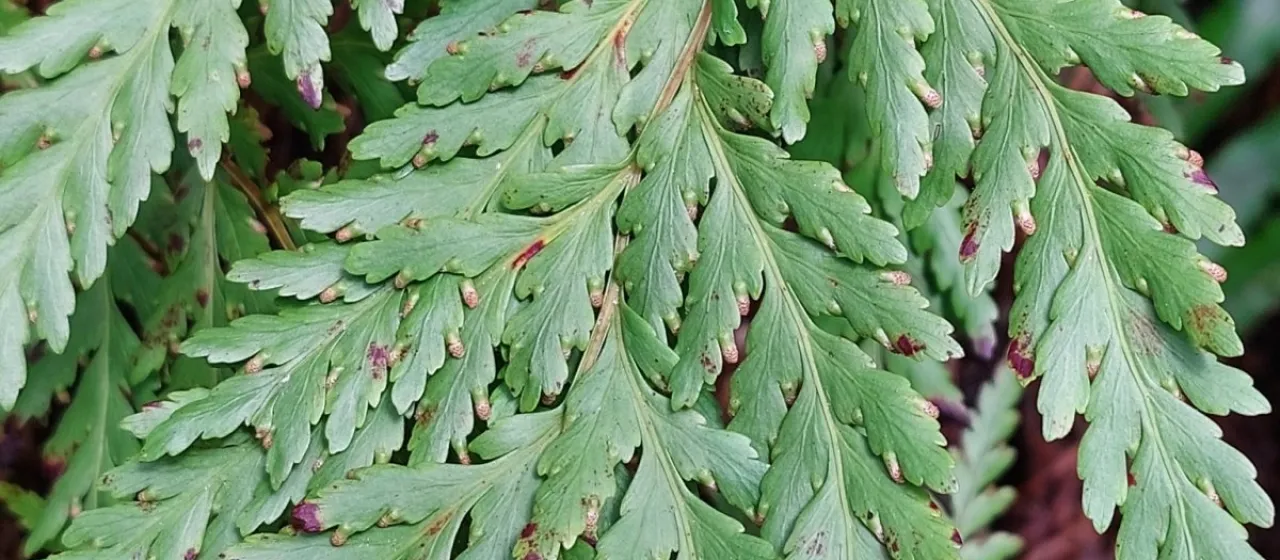
Botanically, the plant is distinguished by its creeping rhizomes covered in coarse hairs and large, leathery fronds that can grow significantly in size. The most diagnostic feature is the marginal placement of its sori, which are protected by cup-shaped indusia. This unique reproductive morphology distinguishes it from most other temperate fern families found in the region.
Cultivation of Loxsoma cunninghamii requires precise replication of its natural forest floor conditions. Growers must ensure a high-humidity environment and a well-draining, acidic growing medium, typically consisting of peat-based compost or specialized bark mixtures. Consistent temperature control is vital, as the plant is sensitive to frost and extreme heat stress.
While not a traditional agricultural commodity, it is highly valued in the horticultural trade for botanical conservatories and advanced collections. Pests such as mealybugs and aphids can sometimes affect the fronds, while overwatering remains the primary cause of root-related fungal diseases. Proper drainage and balanced irrigation are the cornerstones of successful management.