
Description
Ludwigia epilobioides is a herbaceous plant species belonging to the Onagraceae family. Often referred to in a botanical context as a semi-aquatic plant, it is recognized for its ability to thrive in environments with high moisture levels, including wetlands and irrigated agricultural fields.
The plant originates from East and Southeast Asia, with a natural range extending across China, Japan, and the Korean Peninsula. Its adaptation to diverse climates allows it to be cultivated successfully in tropical and subtropical zones, where it is often utilized as a specialized crop in damp agro-ecosystems.
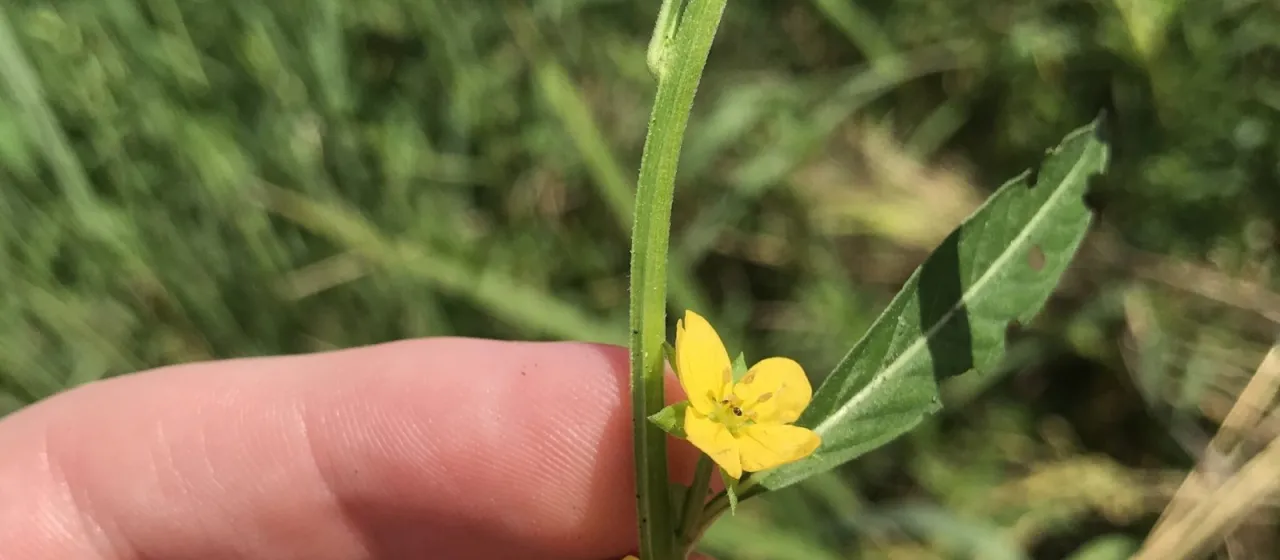
Botanically, it is distinguished by its lanceolate leaves which provide its common name. The plant features four-petaled yellow flowers and a robust, fibrous root system that provides stability in saturated, muddy soils. The stem is generally upright and branched, capable of reaching significant heights under optimal growth conditions.
For successful cultivation, the plant requires consistent soil moisture and a temperature range between 20°C and 30°C. It prefers rich, loamy soils that can retain water without becoming stagnant. Agricultural management focuses on irrigation control and ensuring sufficient space between plants to avoid humidity-related issues that can inhibit overall development.
- Used in traditional botanical medicine for its potential anti-inflammatory properties.
- Explored as a secondary fodder crop in aquatic agricultural systems.
- Utilized in landscape architecture for wetland restoration and aesthetic planting.
Common challenges in growing Ludwigia epilobioides include fungal pathogens, such as leaf spot diseases, and common pests like aphids. Maintaining soil health and implementing biological control methods are essential for yield protection. Regular monitoring for signs of stress, such as yellowing or wilting, is crucial for maintaining the vigor of the crop.