
Description
Ludwigia erecta, commonly known as upright ludwigia, is a perennial herbaceous plant belonging to the Onagraceae family. While many species within this genus are primarily known in the aquarium trade, this particular species is recognized for its ability to thrive in terrestrial wetland environments, exhibiting a unique morphology adapted to high-moisture tropical habitats.
The plant is native to the tropical regions of Africa and the Americas. It is typically found growing along riverbanks, in marshes, and near agricultural irrigation channels, such as rice paddies. It requires a climate characterized by consistently warm temperatures and high humidity, thriving in regions that do not experience significant seasonal frost or drought.
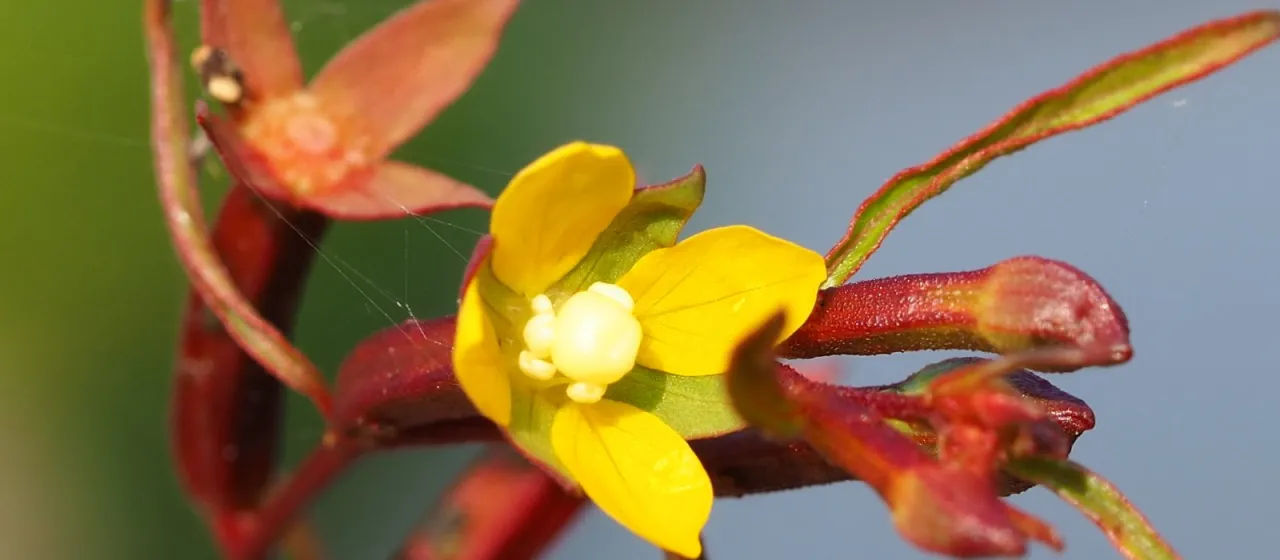
Botanically, Ludwigia erecta features a stiff, upright stem that can reach significant heights under optimal light conditions. The leaves are typically lanceolate and arranged alternately. The flowers are small, yellow, and four-petaled, blooming from the leaf axils. The plant’s ability to remain upright while growing in saturated soils makes it structurally distinct from other aquatic Ludwigia species.
Cultivation requirements involve maintaining soil moisture near saturation levels. The plant prefers nutrient-rich, loamy soils with a slightly acidic to neutral pH. Proper spacing is essential to ensure adequate airflow, which prevents the development of mold and rot. Regular application of nitrogen-rich fertilizers promotes healthy foliage development and robust stem growth.
- High water demand for optimal vegetative growth
- Requirement for full to partial sunlight exposure
- Propagates efficiently through stem cuttings
- Traditional medicinal uses for anti-inflammatory properties
Common pests include aphids and spider mites, which can cause significant damage to the leaf tissue if not managed early. Fungal pathogens and root rot are the primary health issues, usually triggered by poor drainage or lack of air circulation in dense plantings. Maintaining a clean growing environment and controlling moisture levels are the best strategies to ensure high crop yields.