
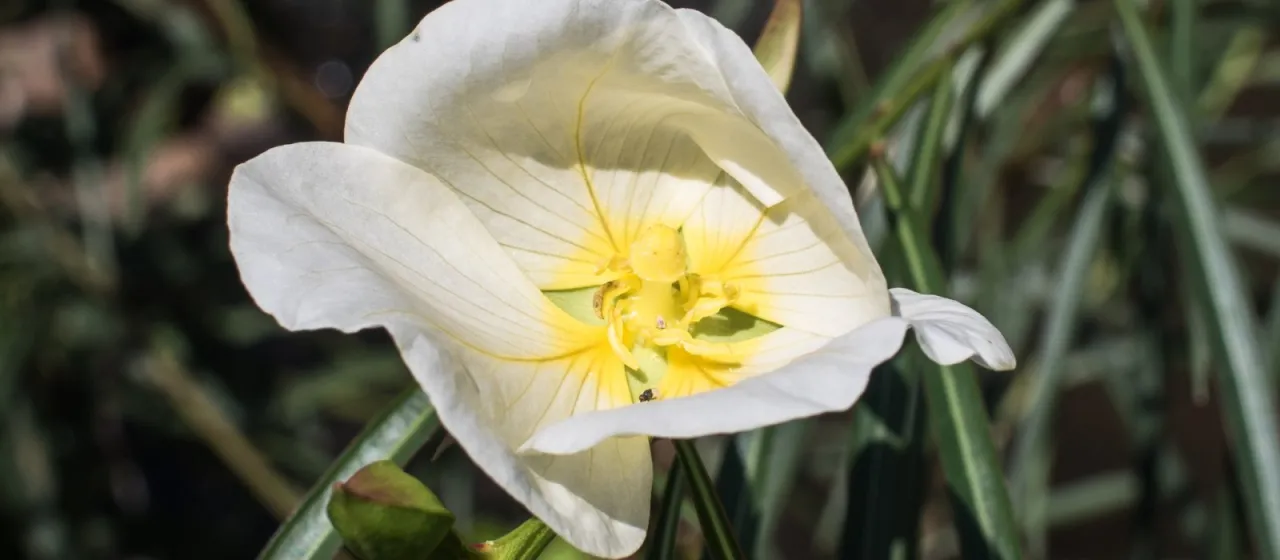
Description
Ludwigia major is a perennial herbaceous plant belonging to the Onagraceae family. In the context of specialized agricultural production, this species is widely cultivated as a high-value ornamental aquatic crop used in aquarium science, aquascaping, and greenhouse horticulture.
Originating from the tropical and subtropical regions of the Americas, the plant has established a global presence in commercial nurseries. It is typically cultivated in controlled environments such as indoor ponds, paludariums, and specialized aquatic facilities designed for optimal biomass production.
Botanically, Ludwigia major is characterized by its distinct leaf arrangement and the ability to produce both submerged and emergent foliage depending on the growth environment. The plant possesses a robust vascular system that allows it to thrive in aquatic substrates enriched with organic matter.
Agricultural requirements for Ludwigia major involve precise environmental control. It thrives in well-lit conditions with supplemental CO2 injection to maximize photosynthetic efficiency. Soil requirements include a nutrient-rich substrate, typically characterized by an acidic to neutral pH balance, which promotes vigorous root development.
- Water temperature range: 22–29 °C
- High intensity full-spectrum lighting
- Routine pruning to promote branching
- Balanced fertilization including chelated iron
The primary economic use of this culture is within the aquatic ornamental plant industry. Typical phytopathological challenges include algal infestations and nutrient deficiencies, which require integrated management practices to ensure crop health and aesthetic quality for the retail market.