
Description
Ludwigia peploides, commonly known as creeping water primrose, is a perennial aquatic or semi-aquatic plant belonging to the Onagraceae family. It is a highly adaptable species that thrives in various wetland environments, ranging from slow-moving rivers and canals to ornamental ponds and marshes.
The plant originates from the Americas but has successfully spread across many tropical and temperate regions worldwide. Because of its rapid growth rate and efficient vegetative reproduction, it is highly valued by horticulturists for its ability to quickly provide ground cover in water features, though this same trait can make it an invasive species in certain wild habitats.
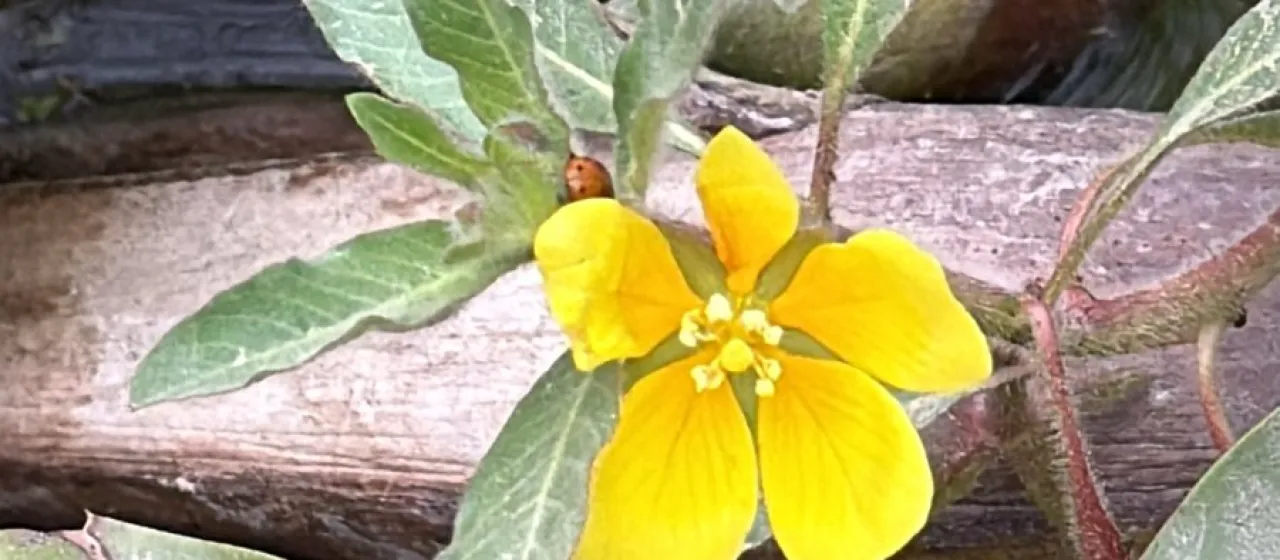
Botanically, the plant is characterized by floating or creeping stems that can grow several meters in length. The leaves are typically lanceolate and vary in color depending on light exposure. Its most distinctive feature is the vibrant yellow, five-petaled flowers that bloom above the water surface during the growing season, providing a significant aesthetic boost to any water garden.
Cultivation requirements for Ludwigia peploides center on high light intensity and warm water temperatures. While it can tolerate a variety of soil types in shallow waters, it prefers nutrient-rich substrates. It is not frost-tolerant, necessitating overwintering in indoor aquariums or heated greenhouses for growers in temperate regions. It is an excellent choice for oxygenating water in controlled environments.
The main uses include pond landscaping, water purification, and aquarium hobbyism. Due to its dense growth, it serves as a great hiding spot for aquatic fauna. Growers should monitor for common pests such as aphids and leaf-eating insects. Proper management includes:
- Regular trimming to prevent overgrowth.
- Monitoring nutrient levels to maintain water quality.
- Providing adequate sunlight for maximum flowering.