
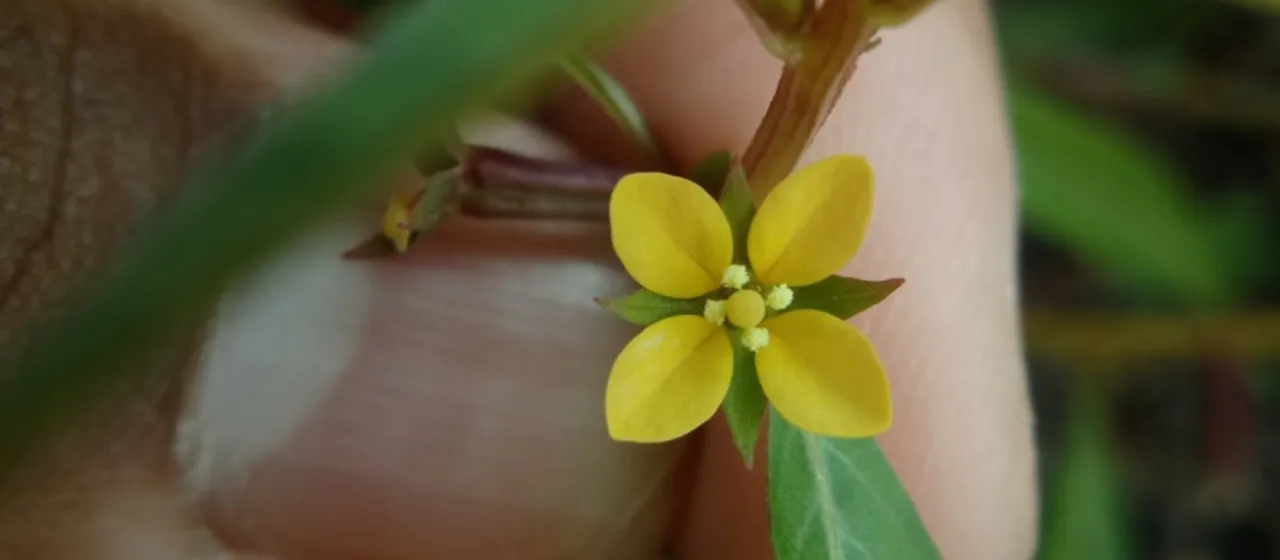
Description
Ludwigia perennis is a herbaceous perennial plant belonging to the Onagraceae family. As a highly adaptable hydrophyte, this species is increasingly recognized for its role in specialized agricultural applications, particularly in aquatic ecosystem management and ornamental cultivation. Its ability to thrive in saturated conditions makes it a unique object of study and practice.
The native range of this species covers tropical and subtropical regions of Asia and Africa. Historically, it has been found inhabiting wetlands, riverbanks, and agricultural fields such as rice paddies. Its geographical expansion and current cultivation status are driven by its resilience and ease of propagation, allowing it to adapt to diverse ecological niches within tropical climates.
Botanically, the plant is characterized by its lanceolate leaves and bright yellow flowers that emerge from leaf axils. Its stem architecture is highly flexible, allowing it to maintain growth in varying water depths. The root system is specifically adapted to anaerobic conditions typical of waterlogged soils, enabling the plant to extract nutrients efficiently even in low-oxygen environments.
Climate and soil requirements focus on warmth and nutrient availability. The plant thrives in temperatures between 20°C and 30°C and prefers muddy, organic-rich substrates with a neutral pH level. Agricultural techniques involve maintaining consistent water levels, controlling light intensity, and implementing periodic nutrient supplementation to ensure vigorous biomass production, which is essential for its primary commercial uses.
The main areas of хозяйственное (economic) use include:
- Phytoremediation of wastewater in industrial or agricultural runoff systems.
- Commercial production for the aquarium trade and aquatic landscaping.
- Utilization as a natural indicator for water quality assessments.
- Potential raw material in fish feed development due to high protein content.
Pest and disease management is critical to successful production. Common issues include fungal root rot triggered by poor water circulation and infestations by leaf-eating insects. To mitigate these risks, agronomists recommend maintaining optimal water turnover rates and utilizing integrated pest management (IPM) strategies, which prioritize biological controls to protect the plant's health and market value.