
Description
Ludwigia peruviana, commonly known as the Peruvian primrose-willow, is a perennial herb belonging to the Onagraceae family. It is recognized for its robust growth habit, often forming dense, woody-based thickets in wetland areas and along the margins of freshwater bodies. While valued in specific horticultural contexts, it is widely acknowledged as an aggressive weed in tropical and subtropical climates globally.
The plant is native to South and Central America, thriving in moist soils and shallow water. Due to its prolific seed production and ability to spread via stem fragments, it has become a significant invasive species in regions like Australia and Florida, where it can drastically alter native habitats by outcompeting local flora and clogging irrigation canals and drainage systems.
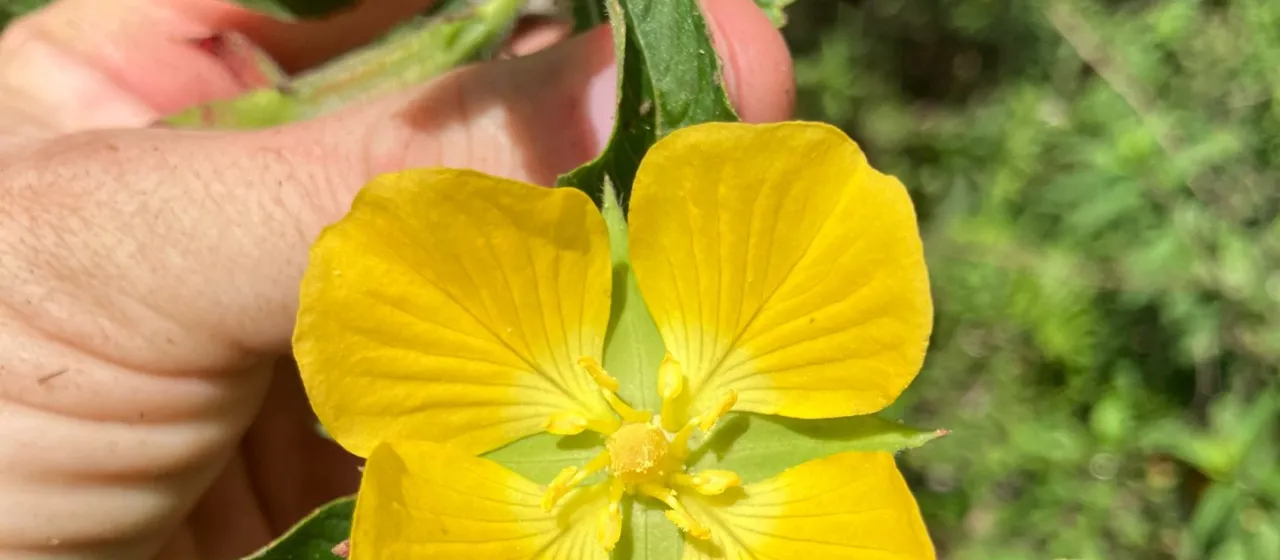
Botanically, it is characterized by its alternate, lanceolate to ovate leaves, which are densely covered in fine hairs, giving them a pubescent appearance. The plant displays four-petaled, bright yellow flowers situated in the leaf axils. The structure of the plant allows it to adapt to both submerged and emergent conditions, though it reaches its most vigorous development as an emergent aquatic or semi-aquatic shrub.
Agricultural and horticultural management of Ludwigia peruviana requires strict control of soil moisture and light intensity. When cultivated in artificial environments like tanks or ponds, it demands nutrient-rich substrates and high-intensity lighting to prevent spindly growth. Pruning is essential for maintaining aesthetic appeal, as the plant can rapidly increase in biomass under optimal conditions of heat and fertilization.
In terms of usage, it is primarily employed in aquatic gardening for its striking appearance and color contrast. However, it is not considered a traditional agricultural crop and is frequently the subject of eradication programs due to its status as a noxious weed. Typical pests include aphids and various leaf-feeding insects, while fungal pathogens are common in poorly ventilated, high-humidity environments.