
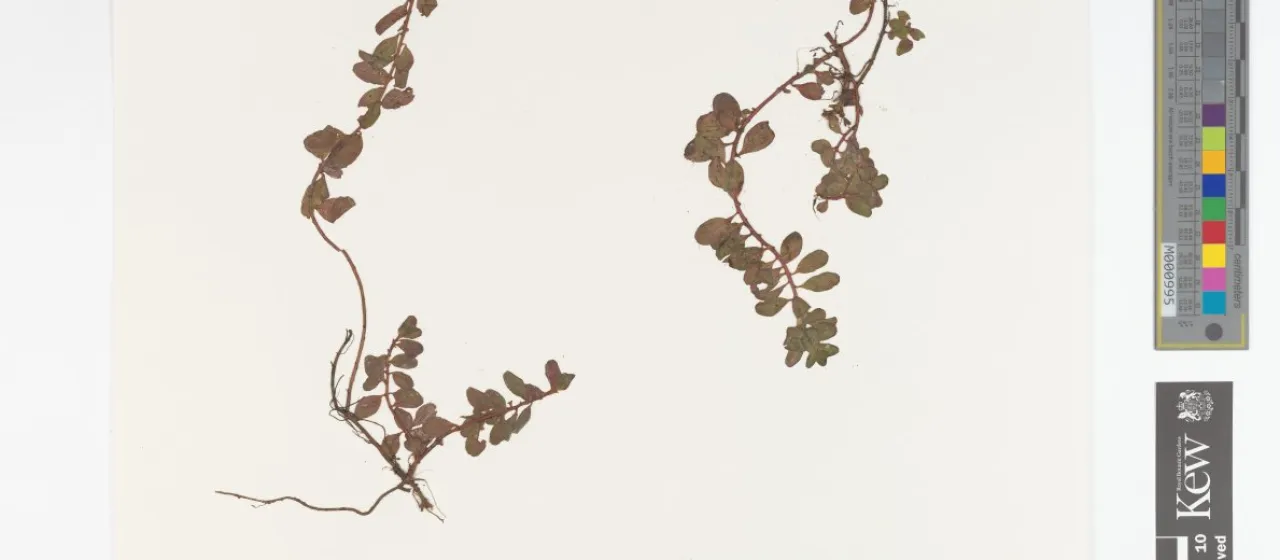
Description
Ludwigia pulvinaris is a perennial herbaceous plant belonging to the Onagraceae family. Within the agricultural and horticultural sector, this species is recognized as a specialty aquatic and semi-aquatic plant, valued for its unique morphological structure and its ability to adapt to varying moisture conditions under careful management.
Originating from the tropical regions of Africa, Ludwigia pulvinaris is typically found in wetlands, swampy areas, and along the margins of freshwater bodies. Its cultivation is primarily concentrated in professional nurseries that specialize in rare aquarium flora and hydrophytes, where environmental factors can be precisely controlled to mimic its native tropical habitat.
Botanically, the species is distinguished by its characteristic pubescent (hairy) stems and foliage, which provide it with a distinct texture compared to other species in the genus. The leaves are typically arranged alternately, and the plant exhibits a creeping or ascending growth habit depending on whether it is grown in submerged or emersed conditions. The flowers are small, yellow, and structurally typical of the family.
The agronomy of this crop requires strict adherence to environmental parameters. Key requirements include:
- Intense, full-spectrum lighting to maintain vibrant foliage colors.
- Stable tropical temperatures ranging between 22°C and 28°C.
- Nutrient-rich substrates with good drainage for emersed cultivation.
- Water quality monitoring, specifically keeping low hardness levels for submerged forms.
The primary economic and agricultural use of Ludwigia pulvinaris is within the ornamental plant industry. It serves as a premium specimen for high-end aquascaping and specialized paludarium displays. Pests such as aphids and spider mites can be problematic in dry conditions, while submerged forms are susceptible to algae overgrowth if nutrient uptake is disrupted or lighting is improperly balanced.