
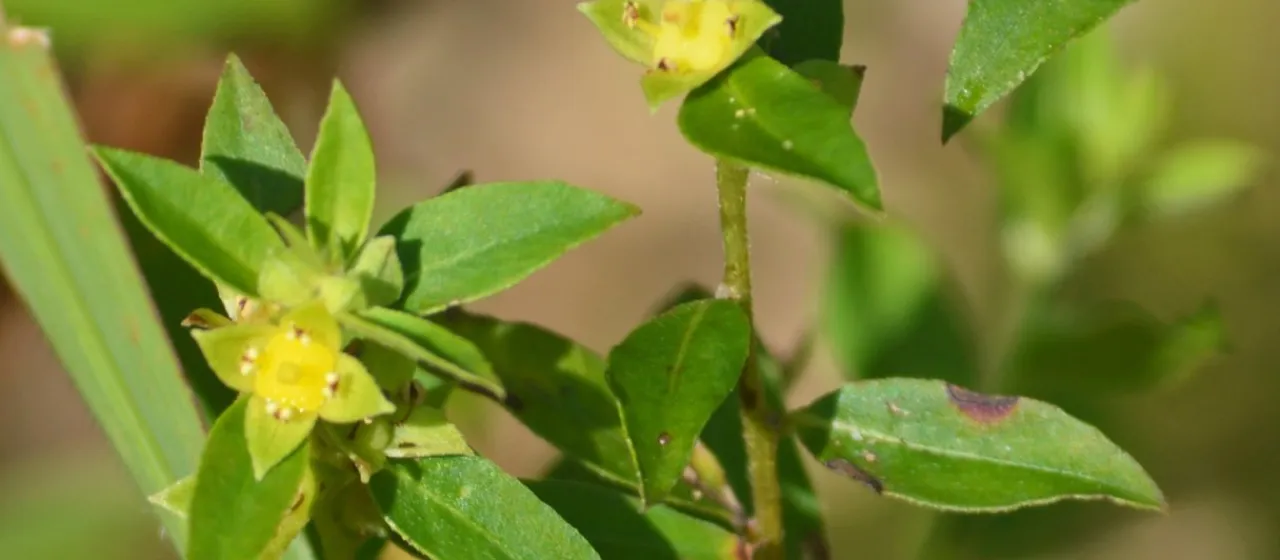
Description
Ludwigia sphaerocarpa, known as the round-fruited ludwigia, is a perennial herbaceous plant belonging to the Onagraceae family. As a specialized agricultural and ornamental crop, it is highly valued for its aquatic and semi-aquatic growth habit, which makes it a unique subject for both botanical research and professional landscaping.
The plant originates from the wetlands and marshy regions of North America. Its natural habitat is characterized by saturated soils and slow-moving or standing water bodies. In commercial cultivation, it is propagated in controlled environments that mimic these riparian conditions to ensure vigorous development and health of the aquatic stock.
Botanically, the plant is recognized by its lanceolate leaves and characteristic spherical fruits. The stems are typically erect and can grow to significant lengths under optimal conditions. The root system is specifically adapted to anaerobic soil conditions, allowing the plant to effectively extract nutrients from water and wet substrates.
Successful cultivation requires attention to light intensity and substrate quality. It thrives in acidic to neutral soils enriched with organic matter. Water temperature should remain consistent, ideally within the 20–26 degree Celsius range. Proper spacing and substrate depth are essential to prevent competition and to ensure that the root system has adequate space to develop.
The main use of Ludwigia sphaerocarpa is in aquarium hobbyism and the construction of paludariums or artificial wetland features. It serves as both an aesthetic focal point and a functional oxygenator. Typical challenges include fungal infections related to stagnant water or moisture-loving pests like aphids when grown in emersed conditions, necessitating integrated pest management strategies.