
Description
Luffa operculata is an annual herbaceous vine belonging to the Cucurbitaceae family. Often referred to in its native range as a medicinal or industrial crop, it is distinct from its more common cousin, Luffa aegyptiaca. This species is characterized by smaller, spiny, or bumpy fruit that possess a unique fibrous texture once mature, making it an interesting subject for both botanical study and specific niche applications.
Originating from tropical regions of Central and South America, Luffa operculata thrives in warm, humid climates with long growing seasons. It requires high average temperatures to reach full maturity. In non-tropical zones, successful cultivation usually necessitates the use of high tunnels or greenhouses to simulate the necessary heat and light conditions, as the plant is highly sensitive to frost and sudden temperature drops.
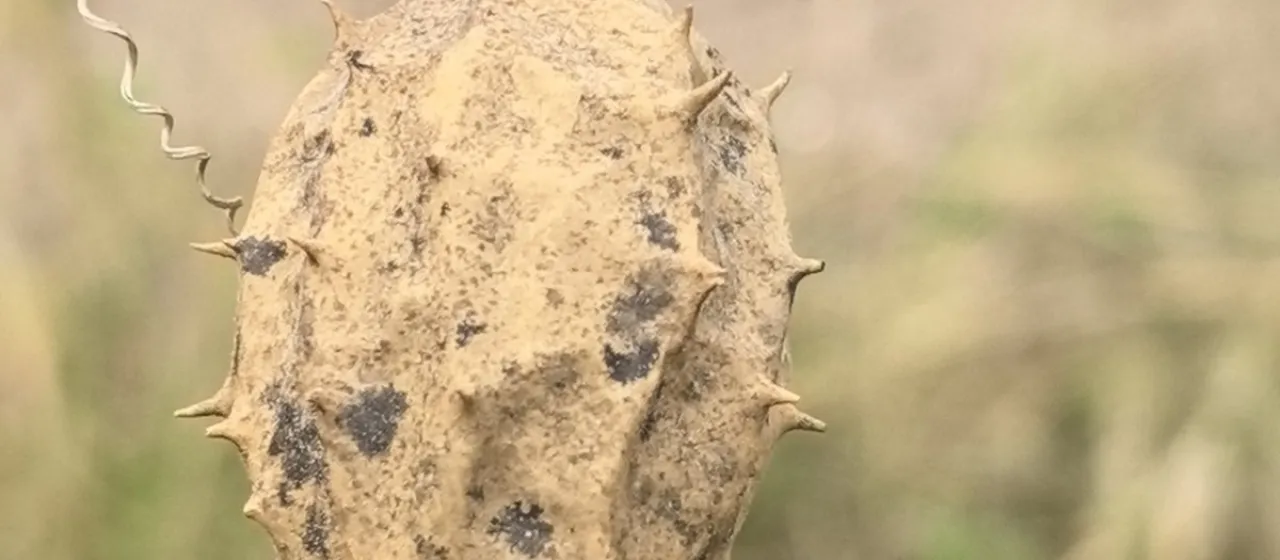
Botanically, it presents as a vigorous climber with large, palmately lobed leaves and deep yellow flowers. The fruit development is a significant part of its life cycle; unlike common gourds, these fruits are heavily fibrous inside. The exterior often exhibits a rough, pitted, or prickly surface, which serves as a defensive mechanism against local pests in its natural habitat.
Successful agricultural management involves providing a structure for the vines to climb, which is essential to prevent fruit rot and ensure uniform shape.
- Soil: Deep, well-draining loam with high organic matter content.
- Water: Consistent irrigation during the fruit-setting stage.
- Nutrients: Balanced NPK fertilization to support rapid vegetative growth.
The primary economic use of Luffa operculata is in the pharmaceutical and cosmetic industries. Extracts derived from the dried fruit are utilized in traditional medicine, particularly for formulations addressing sinus issues and inflammation. While the fibrous skeleton of the dried fruit is less durable than that of standard luffa sponges, it still finds limited use in crafting and as specialized filtration material.
Pest and disease control is critical in greenhouse environments where humidity levels are high. Common pathogens include powdery mildew and downy mildew, which can significantly reduce photosynthetic capacity. Aphids and spider mites are the most prevalent insect threats, often requiring biological control methods or selective horticultural oils to maintain plant health without compromising the quality of the raw material.