
Description
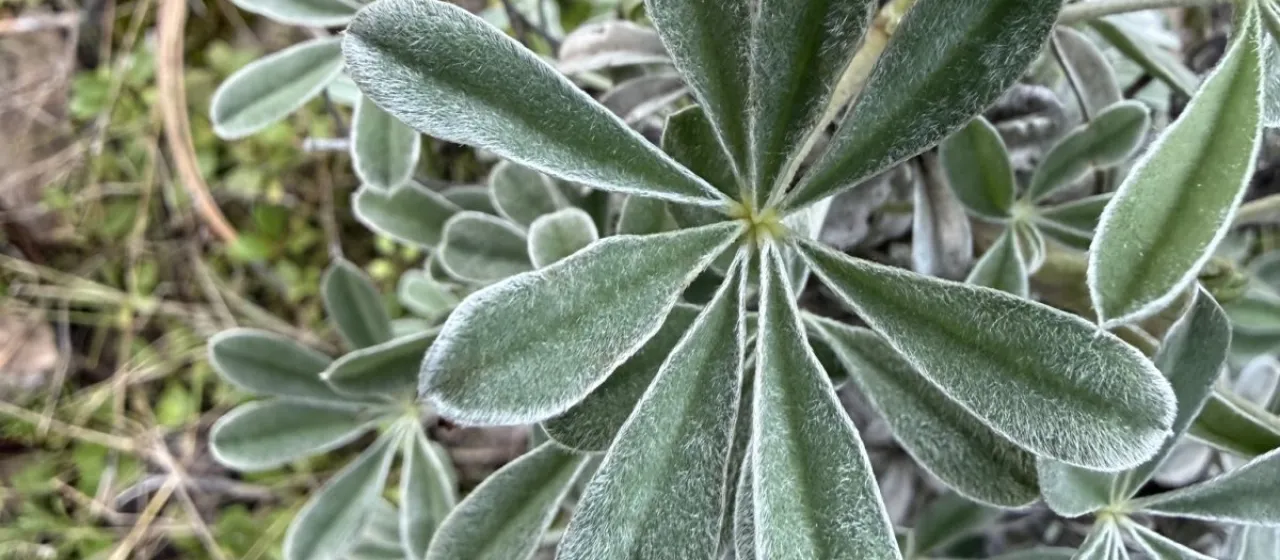
Silver bush lupine (Lupinus albifrons) is a perennial subshrub belonging to the Fabaceae family. It is recognized for its unique silver-colored foliage, which is covered in fine, dense hairs, helping the plant conserve water and survive in high-heat and arid environments.
The native range of this species is confined to western North America, particularly in California and southern Oregon. It thrives in diverse habitats ranging from coastal bluffs to open rocky hillsides. As a leguminous crop, it plays a vital role in nitrogen fixation, helping to enrich the soil in nutrient-poor environments where it naturally settles.
Botanically, the plant features a deep taproot and a woody base, with stems reaching up to one meter in height. The palmate leaves have a distinct silvery-green appearance. During the blooming season, it produces striking racemes of flowers ranging in color from deep purple and blue to occasional white, providing essential nectar for local bee populations.
Regarding cultivation, this lupine demands well-draining soil and full sun exposure. It is highly intolerant of boggy conditions or heavy clay soils that retain moisture for too long. In terms of maintenance, it requires little fertilization, as it is adapted to low-nutrient soils, and pruning after the flowering season can help maintain the shape of the subshrub.
The primary horticultural application of Lupinus albifrons is in xeriscaping and ecological restoration projects. It is an excellent choice for stabilizing slopes and preventing erosion. Typical threats to the health of the plant include root rot from overwatering and various infestations by aphids or weevils, which can be managed through integrated pest control practices.