
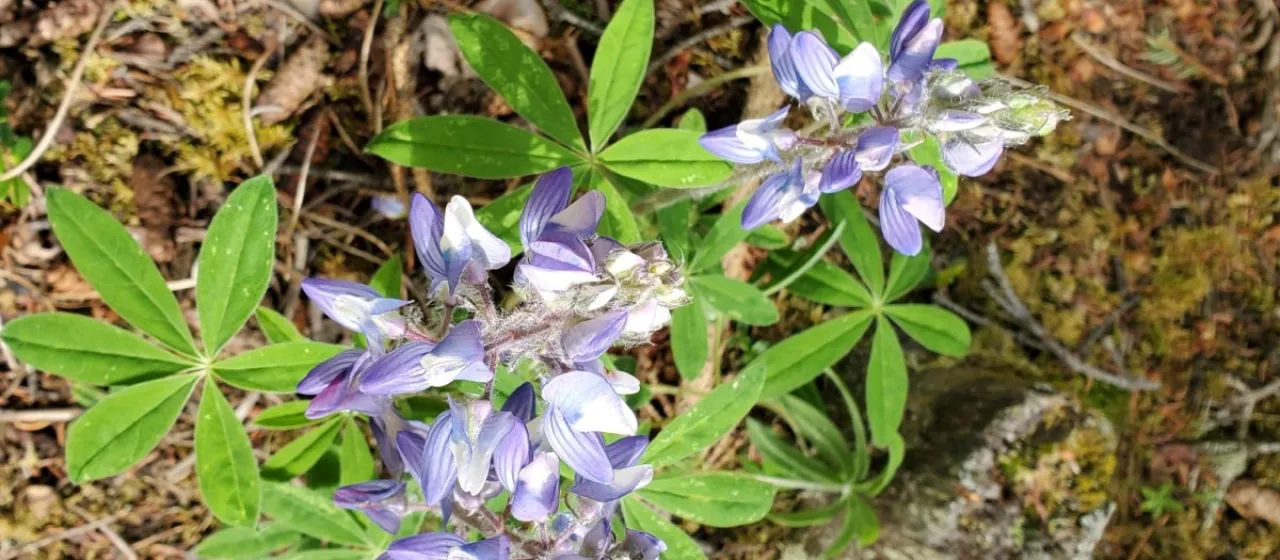
Description
Arctic lupine (Lupinus arcticus) is a perennial herbaceous plant belonging to the Fabaceae family. This species is remarkably resilient, specifically adapted to thrive in cold, arctic, and subarctic environments where standard agricultural crops would fail to survive or produce sufficient biomass.
The plant originates from the northern regions of North America, including Alaska and Western Canada. In agriculture, it is recognized for its nitrogen-fixing capabilities, functioning as a natural bio-fertilizer that improves soil structure and nutrient content in harsh environments that typically lack high soil fertility.
Botanically, Lupinus arcticus features a deep taproot system and characteristic palmately compound leaves covered in fine hairs, which help the plant retain moisture and withstand cold winds. The plant produces dense, showy racemes of blue-to-purple flowers, contributing not only to forage quality but also to local pollinator support systems.
Agricultural requirements focus on well-drained, acidic to neutral soils. Unlike many other legumes, this species prefers sites with full sun exposure and is highly tolerant of frost. Field management involves careful weed control during the seedling stage to ensure the plant establishes its root system before winter dormancy, which is crucial for multi-year survival.
- Forage for livestock in cold climates
- Soil stabilization and erosion control
- Bio-remediation of disturbed northern lands
- Enhancement of soil nitrogen levels for future crop rotations
The main challenges in cultivating arctic lupine include susceptibility to fungal pathogens such as anthracnose in wet seasons and damage from aphids or larvae. Integrated pest management, combined with selecting well-drained planting sites, is the most effective way to minimize crop loss and maximize the ecological and economic benefits of this legume.