
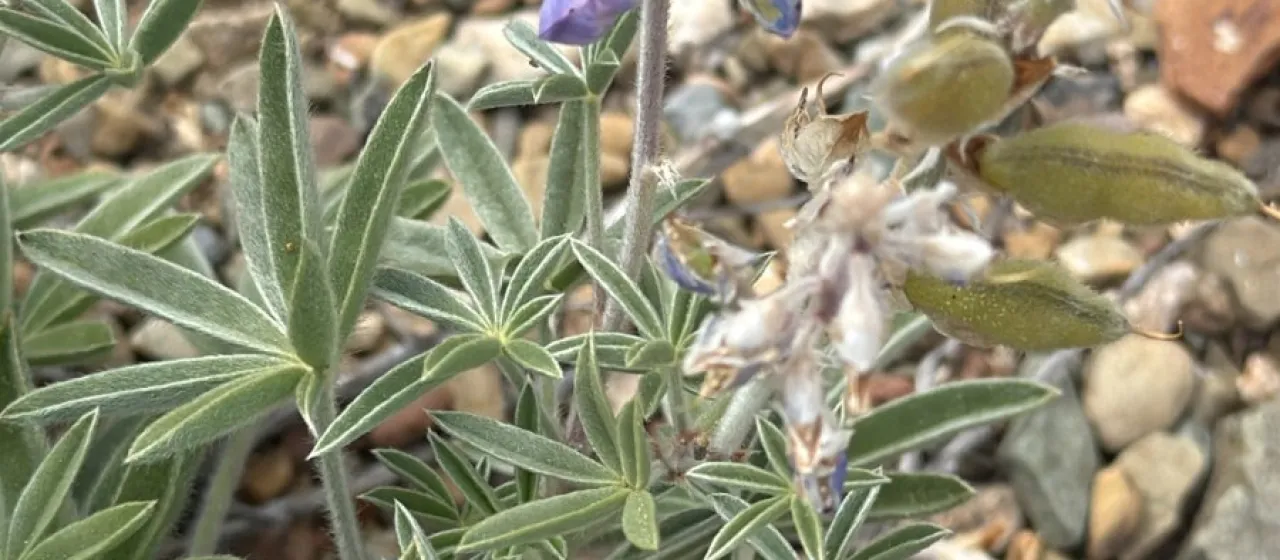
Description
Silvery lupine (Lupinus argenteus) is a perennial herbaceous plant belonging to the Fabaceae (legume) family. This species is highly valued in modern agriculture for its significant contribution to nitrogen fixation and its ability to thrive in diverse environmental conditions.
Originating from the Western United States, this plant is well-adapted to high-altitude environments and arid landscapes. Its cultivation range has expanded as growers seek sustainable alternatives to synthetic fertilizers, utilizing the lupine's natural ability to improve soil structure and nutrient availability.
Botanically, Lupinus argenteus is distinguished by its silvery, silky hairs covering the leaves and stems, which serve as an adaptation to reduce moisture loss. The plant produces tall, showy racemes of blue or purple flowers that attract beneficial pollinators, which is an additional ecosystem service in agricultural fields.
The crop thrives in well-drained, sandy, or rocky soils with neutral to slightly acidic pH levels. It is remarkably drought-tolerant once established. Proper agrotechnical management involves minimal soil disturbance and appropriate planting density to allow for optimal root development, which is crucial for nutrient cycling in the soil profile.
Primary хозяйственное uses include:
- Green manure application to increase soil nitrogen levels.
- Restoration of degraded rangelands and erosion control.
- Development of protein-rich forage for grazing animals (with appropriate selection of alkaloid-low varieties).
Effective pest and disease management is essential for high yields. Common issues include fungal infections like Phomopsis or powdery mildew, which thrive in humid conditions. Integrated pest management, focusing on early detection of aphids and weevils, is the most effective approach for maintaining healthy crop stands and ensuring productivity.