
Description
Scrub lupine (Lupinus aridorum) is a perennial herbaceous plant belonging to the Fabaceae family. It is a highly specialized species that demonstrates unique evolutionary adaptations to survive in nutrient-poor and moisture-deficient environments, serving as an important genetic resource for modern agronomy.
The plant is native to the sandy scrub habitats of central Florida, USA. Its geographic distribution is limited to habitats with well-draining, infertile sandy soils. Because of this natural habitat, it is exceptionally adapted to extreme drought, making it an interesting candidate for research into sustainable agriculture in arid and semi-arid regions.
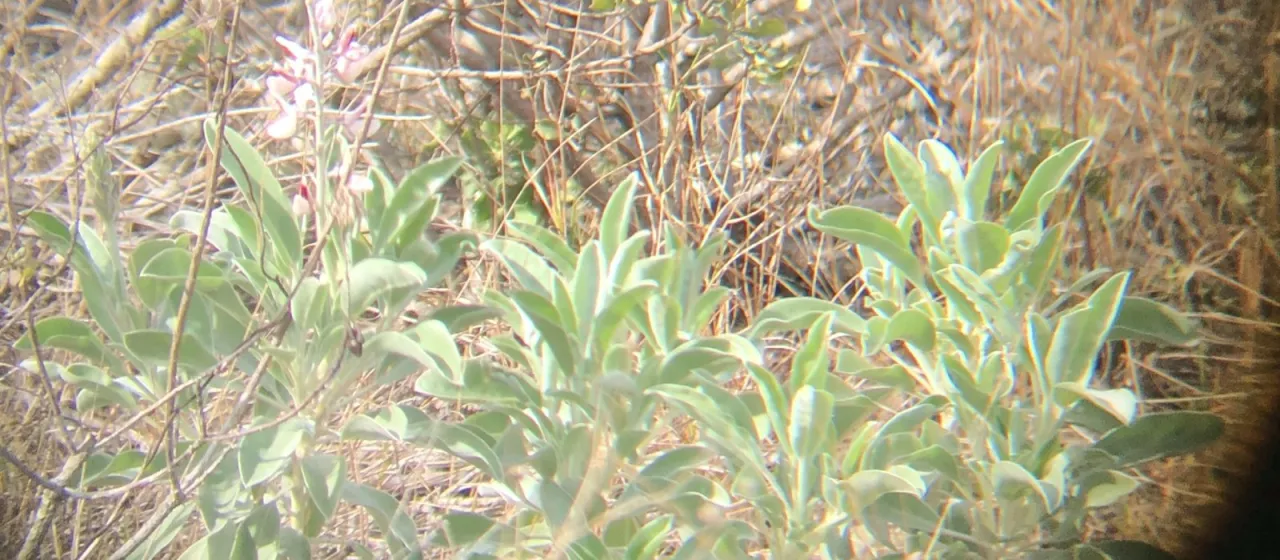
Botanically, the plant is characterized by palmately compound leaves covered with silver hairs, which serve to reduce transpiration and prevent water loss. It produces a deep taproot that allows it to access subterranean moisture. The inflorescences are dense racemes of blue to violet flowers, which are typical for the genus and highly attractive to pollinators in its native range.
Agricultural requirements for Lupinus aridorum focus on maintaining excellent drainage. The species cannot tolerate waterlogged soils, which lead to root rot and fungal infections. Cultivation requires sandy substrates and the careful application of specific rhizobial inoculants to ensure that the plant can effectively fix atmospheric nitrogen, which is essential for its survival in poor soils.
The primary agricultural and ecological use of this species is in land reclamation, particularly the stabilization of sandy dunes and the restoration of degraded ecosystems. In breeding programs, it is studied for its drought-resistance genes, which could potentially be integrated into other commercial legume crops to improve their survival in a changing, warmer climate.
- Exceptional xerophytic adaptations for water conservation.
- Essential nitrogen-fixing capabilities for soil enrichment.
- High vulnerability to fungal diseases in wet soil conditions.
- Critical role in habitat restoration and erosion control.